Table of Contents
-
Understanding Peptide Contamination and Why It Matters
-
How to Know If Peptides Are Contaminated: Warning Signs
-
How to Tell If Peptides Are Fake or Degraded
-
Common Types of Peptide Contamination You Should Know About
-
What to Look for in Peptides Before Making a Purchase
-
Research Grade vs Pharmaceutical Grade Peptides Explained
-
How to Test Peptides for Purity and Quality
-
Professional Laboratory Testing Methods Explained
-
How to Check Peptide Purity Using Certificates of Analysis
-
Understanding Net Peptide Content vs Purity
-
The Risks of Using Contaminated Peptides
-
Why Third-Party Testing Makes All the Difference
-
Choosing a Reliable Peptide Testing Company
-
Peptide Storage and Stability Best Practices
-
Final Thoughts
Understanding Peptide Contamination and Why It Matters
The Growing Concern of Impure Peptides
Peptide contamination has become a growing concern among researchers and wellness enthusiasts who rely on these compounds for various applications. When you invest in peptides, you're expecting a pure, accurately labeled product that delivers consistent results. Unfortunately, the peptide industry lacks comprehensive regulation, which means contamination issues occur more frequently than most people realize. Understanding what causes contamination and how it affects peptide quality is the first step toward making informed purchasing decisions.
How Contamination Enters the Manufacturing Process
Contamination can occur at multiple stages of the peptide manufacturing process, from synthesis to packaging. Even reputable suppliers occasionally face quality control challenges that result in impure products reaching consumers. The consequences of using contaminated peptides range from diminished effectiveness to potential health risks, making it essential to verify what you're actually receiving before use.
How to Know If Peptides Are Contaminated: Warning Signs
Visual Inspection and Peptide Discoloration
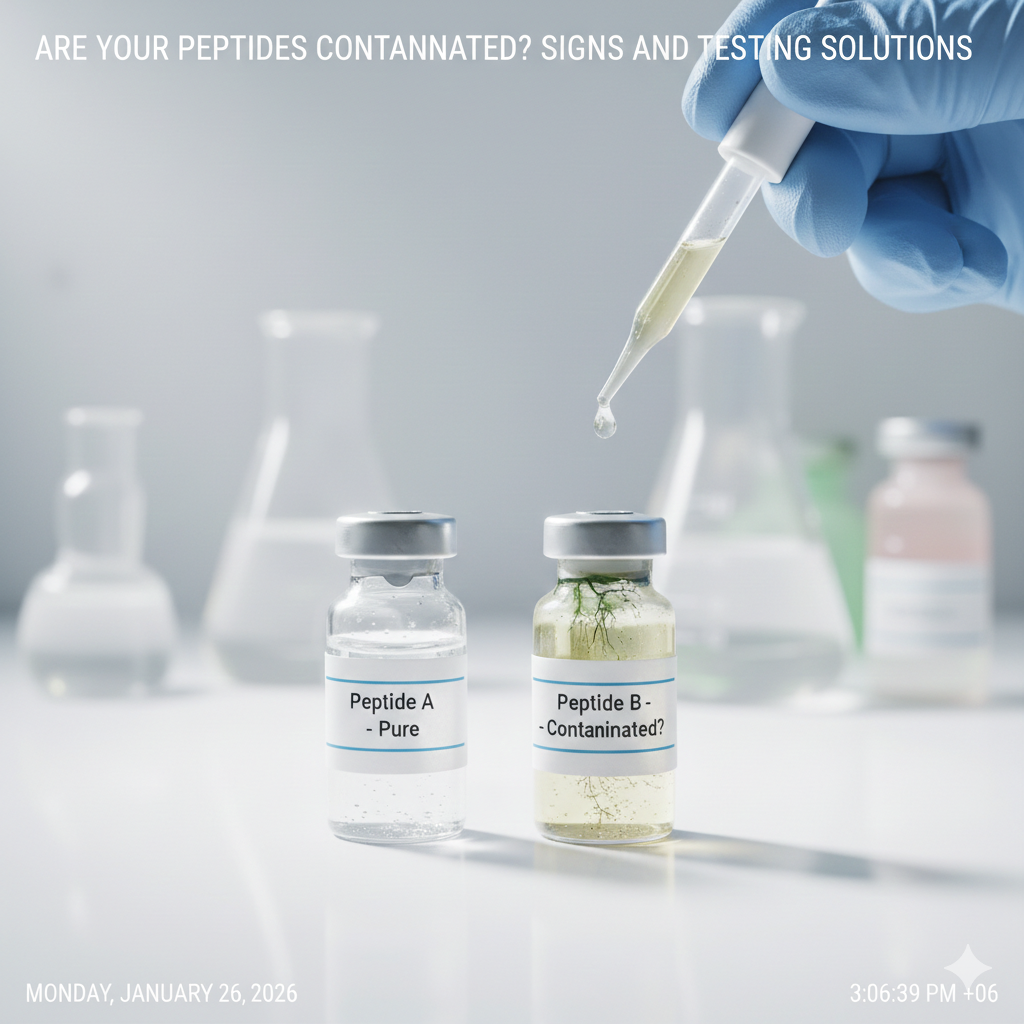
Recognizing contaminated peptides isn't always straightforward, but several telltale signs can alert you to potential problems. Visual inspection offers the first clue—peptides should typically appear as a white or off-white powder with a uniform consistency. Peptide discoloration ranging from yellow to brown often indicates oxidation, bacterial contamination, or the presence of impurities. If you notice unusual clumping, a gritty texture, or any color changes, these physical characteristics suggest degradation or contamination.
Reconstitution Problems Peptides Experience
Unexpected reactions after reconstitution also signal possible contamination. Pure peptides should dissolve completely in bacteriostatic water or your chosen solvent, creating a clear or slightly cloudy solution. Reconstitution problems peptides commonly experience include failure to dissolve properly, visible particles floating in the solution, or unusual precipitation. If the peptide produces an unexpected odor or creates an unusually cloudy appearance, you're likely dealing with a contaminated or degraded product.
Missing Documentation and Product Information
The absence of proper documentation represents another major red flag when evaluating peptide suppliers. Legitimate vendors provide detailed information about their products, including batch numbers, manufacturing dates, and storage recommendations. When companies can't or won't supply this basic information, it suggests inadequate quality control measures that increase the likelihood of contamination issues and peptide scams.
How to Tell If Peptides Are Fake or Degraded
Identifying Signs of Degraded Peptides
Learning how to tell if peptides are fake requires understanding the signs of degraded peptides versus counterfeit products. Degraded peptides occur when genuine products break down due to improper storage, excessive heat exposure, or moisture contamination. These peptides show physical changes like moisture content in supposedly lyophilized vials, clumping that doesn't break apart easily, or a sticky texture when the powder should be dry and fluffy.
Common Peptide Scams and Fake Suppliers
Peptide scams and fake suppliers represent a serious threat to researchers and consumers. Counterfeit peptides may contain no active ingredient whatsoever, substituted compounds that mimic the appearance of real peptides, or severely underdosed formulations. Fake suppliers often lack proper business credentials, refuse to provide certificates of analysis, offer prices significantly below market rates, and have no verifiable third-party testing history.
Sterility Testing and Contamination Detection
Peptide sterility testing confirms that products are free from bacterial and fungal contamination that could compromise research or cause adverse reactions. Professional laboratories conduct sterility testing according to USP standards, examining samples for microbial growth over extended incubation periods. This testing becomes especially critical for peptides intended for injection or use in biological systems where contamination could produce dangerous consequences.
Common Types of Peptide Contamination You Should Know About
Bacterial Endotoxins and Sterility Issues
Bacterial endotoxins rank among the most concerning contaminants found in peptide products. These toxins originate from bacterial cell walls and can remain in peptides even after the bacteria themselves are eliminated. Endotoxin contamination occurs when manufacturing facilities don't maintain proper sterile conditions, and these substances can trigger inflammatory responses that compromise research results or cause adverse reactions.
Heavy Metal Contamination From Manufacturing
Heavy metal contamination presents another significant threat to peptide purity. Metals like lead, mercury, and cadmium can enter peptide formulations through contaminated raw materials or manufacturing equipment. Even trace amounts of heavy metals can accumulate over time and interfere with the peptide's intended biological activity, making this type of contamination particularly insidious.
TFA Content in Peptides and Chemical Impurities
Residual solvents and reagents from the synthesis process also frequently contaminate peptide products. TFA content in peptides, which refers to trifluoroacetic acid used during synthesis, can reach levels of five to fifteen percent in poorly purified products. Manufacturing peptides involves various chemicals that must be completely removed during purification. When purification procedures fall short, these substances remain in the final product, diluting the actual peptide content and potentially causing unwanted side effects.
What to Look for in Peptides Before Making a Purchase
Supplier Transparency and Manufacturing Details
Transparency from the supplier should top your priority list when evaluating peptide sources. Companies that stand behind their products willingly share detailed manufacturing information, including their synthesis methods, purification techniques, and quality control protocols. This openness indicates a commitment to quality that typically translates into more reliable, pure peptide formulations.
Independent Third-Party Testing Verification
Third-party testing verification provides crucial assurance that you're getting what you paid for. Independent laboratories offer unbiased analysis of peptide purity, identity, and contamination levels. Suppliers who regularly submit their products for peptide batch testing demonstrate confidence in their manufacturing processes and prioritize customer safety over profit margins.
Product Labeling and Information Standards
Clear labeling with comprehensive product information helps you make informed decisions. Look for peptides that include the molecular weight, sequence information, storage requirements, and recommended reconstitution procedures. Detailed labeling reflects professional manufacturing standards and gives you the information needed to properly handle and store your peptides.
Research Grade vs Pharmaceutical Grade Peptides Explained
Understanding Quality Grade Distinctions
The difference between research grade vs pharmaceutical grade peptides significantly impacts both purity levels and intended applications. Research grade peptides typically achieve purity levels between ninety-five and ninety-eight percent, which suffices for most laboratory applications and in vitro studies. These peptides undergo standard purification processes and basic quality control testing to ensure acceptable purity for experimental use.
Pharmaceutical Grade Standards and Requirements
Pharmaceutical grade peptides must meet much stricter manufacturing and testing requirements, typically exceeding ninety-nine percent purity. These products are manufactured in facilities that comply with Good Manufacturing Practice regulations and undergo extensive testing for sterility, endotoxins, heavy metals, and other contaminants. Pharmaceutical grade peptides cost significantly more due to these stringent quality requirements.
Choosing the Right Grade for Your Application
Selecting between research and pharmaceutical grade depends on your specific needs and risk tolerance. Research applications using cell cultures or animal models may function adequately with research grade peptides, while any human use or highly sensitive biological assays require pharmaceutical grade products. Understanding these distinctions helps you balance cost considerations against quality requirements.
How to Test Peptides for Purity and Quality
HPLC Analysis for Purity Determination
High-Performance Liquid Chromatography, commonly known as HPLC, represents the gold standard for determining peptide purity. This analytical technique separates the components of your peptide sample, allowing laboratory technicians to identify and quantify the target peptide alongside any impurities. HPLC testing reveals the percentage of actual peptide content versus contaminants, giving you a precise measurement of product quality.
Mass Spectrometry for Molecular Confirmation
Mass spectrometry complements HPLC analysis by confirming the molecular weight and structure of your peptide. This testing method identifies whether the peptide matches its claimed sequence and detects any modifications or degradation products. When used together, HPLC and mass spectrometry provide comprehensive verification of both purity and identity, ensuring you receive exactly what you ordered.
Amino Acid Analysis for Sequence Verification
Amino acid analysis offers additional confirmation of peptide composition by breaking down the peptide into its constituent amino acids and measuring their relative amounts. This technique helps verify that the peptide sequence matches the supplier's specifications and can detect certain types of contamination or synthesis errors that other methods might miss.
Professional Laboratory Testing Methods Explained
Endotoxin Testing Using LAL Assays
Endotoxin testing using the Limulus Amebocyte Lysate assay detects bacterial contamination with remarkable sensitivity. This test specifically measures endotoxin levels, which is critical for peptides intended for research applications where even minute amounts of bacterial contaminants could skew results. Professional testing laboratories include endotoxin analysis as part of their comprehensive peptide evaluation protocols.
Heavy Metal Screening Technology
Heavy metal screening employs inductively coupled plasma mass spectrometry to detect trace amounts of metallic contaminants. This sophisticated technology can identify metal concentrations down to parts per billion, ensuring your peptides meet safety standards and won't introduce unwanted variables into your research. Regular heavy metal testing protects against contamination from manufacturing equipment or raw material sources.
Moisture Content Testing for Peptides
Moisture content testing determines how much water remains in lyophilized peptide powders. Excess moisture content peptides contain accelerates degradation and reduces shelf life, while also artificially inflating the apparent peptide content by weight. Professional laboratories measure moisture levels to ensure you're getting the stated amount of actual peptide rather than paying for water weight, which directly impacts both stability and value.
How to Check Peptide Purity Using Certificates of Analysis
Understanding COA Documentation
Certificates of Analysis, or COAs, serve as your primary tool for verifying peptide quality without conducting your own testing. These documents summarize the results of various analytical tests performed on a specific peptide batch. Learning how to verify peptide COA documentation empowers you to make educated decisions about peptide purchases and identify potential quality issues before they become problems.
Essential Information in Legitimate COAs
A legitimate COA includes the batch or lot number, testing date, and detailed results from multiple analytical methods. The purity percentage should be clearly stated, typically derived from HPLC analysis, along with mass spectrometry data confirming the peptide's molecular weight. Any reputable testing laboratory also includes information about the testing methods used and the qualifications of personnel who performed the analysis.
Verifying Laboratory Credentials and Accreditation
When reviewing a COA, pay attention to the testing laboratory's credentials and accreditation status. Independent, accredited laboratories follow strict quality standards and have no financial incentive to manipulate results. If a COA comes from the supplier's own in-house lab or lacks detailed methodology information, consider requesting third-party verification before trusting the results.
Understanding Net Peptide Content vs Purity
The Critical Difference Explained
Many peptide buyers confuse net peptide content vs purity, but these represent distinct quality metrics that both matter significantly. Purity refers to what percentage of the peptide material consists of the correct sequence versus impurities, deletion sequences, and contaminants. Net peptide content, however, measures the actual amount of peptide present after accounting for counterions, residual TFA, moisture, and other non-peptide components.
How Counterions and TFA Affect Content
A peptide might show ninety-eight percent purity on HPLC but contain only seventy percent net peptide content due to high TFA content in peptides and counterion salts from the synthesis process. These additional components add weight without contributing to biological activity, meaning you're receiving less actual peptide than the vial weight suggests. Understanding this distinction prevents overpayment and ensures accurate dosing calculations.
Calculating True Peptide Value
When evaluating peptide products, request both purity and net peptide content information to understand the true value. A ten milligram vial with ninety-five percent purity and seventy percent net peptide content contains only 6.65 milligrams of actual active peptide. This calculation becomes crucial for accurate experimental design and cost comparison between suppliers.
The Risks of Using Contaminated Peptides
Impact on Research Accuracy and Validity
Contaminated peptides can completely invalidate research findings by introducing variables that researchers didn't account for in their experimental design. When impurities interact with biological systems, they create effects that researchers might incorrectly attribute to the peptide itself. This contamination not only wastes time and resources but also generates misleading data that could influence future research directions.
Health and Safety Concerns
Health and safety concerns become paramount when contaminated peptides are used in applications involving human or animal subjects. Bacterial endotoxins can trigger immune responses, while heavy metals may accumulate in tissues over time. Even seemingly minor contaminants can cause allergic reactions or interfere with the peptide's intended biological activity, creating risks that far outweigh any cost savings from purchasing cheaper, unverified products.
Financial Losses and Project Delays
Financial losses from contaminated peptides extend beyond the initial purchase price. When you discover that peptides are contaminated after beginning a research project or protocol, you must discard the product, restart your work, and purchase replacement peptides from a reliable source. These setbacks multiply costs while delaying results and potentially jeopardizing research timelines or personal wellness goals.
Why Third-Party Testing Makes All the Difference
Eliminating Conflicts of Interest
Independent verification eliminates conflicts of interest that can compromise in-house testing results. When suppliers test their own products, they have financial motivation to overlook quality issues or present data in the most favorable light possible. Third-party laboratories have no stake in whether results come back positive or negative, ensuring objective analysis that you can trust when making purchasing decisions.
Specialized Expertise in Peptide Analysis
Specialized peptide testing companies like Optima Labs bring dedicated expertise to peptide analysis that general laboratories may lack. These facilities invest in advanced equipment specifically designed for peptide characterization and employ scientists who understand the unique challenges of peptide synthesis and purification. This specialization translates into more accurate, reliable testing that catches contamination issues other labs might miss.
Creating Supply Chain Accountability
Regular peptide batch testing establishes accountability throughout the supply chain. When suppliers know their products will undergo independent scrutiny, they maintain higher manufacturing standards and implement more rigorous quality control measures. This accountability protects consumers and pushes the entire industry toward better practices that benefit everyone who relies on peptides for research or wellness applications.
Choosing a Reliable Peptide Testing Company
Laboratory Accreditation and Certifications
Accreditation and certifications provide the first indicator of a testing laboratory's competence and reliability. Look for facilities that hold ISO/IEC 17025 accreditation, which demonstrates they meet international standards for testing and calibration laboratories. This accreditation requires regular audits and proficiency testing that ensure the laboratory maintains high-quality standards over time.
Comprehensive Testing Service Offerings
Comprehensive testing capabilities separate basic testing services from truly thorough peptide analysis. The best peptide testing companies offer a full suite of analytical methods, including HPLC, mass spectrometry, amino acid analysis, endotoxin testing, and heavy metal screening. This comprehensive approach catches different types of contamination and provides complete characterization of your peptide sample.
Reporting Quality and Customer Support
Transparent reporting and customer support make the difference between receiving raw data and gaining actionable insights about your peptides. Quality testing companies provide detailed reports that explain testing methods, interpret results, and offer recommendations based on their findings. They also maintain responsive customer service teams that can answer questions about your results and help you understand what the data means for your specific applications.
Peptide Storage and Stability Best Practices
Proper Storage Conditions for Lyophilized Peptides
Peptide storage and stability directly impact product quality and longevity. Lyophilized peptides should remain in their sealed vials and be stored at the recommended temperature, typically between two and eight degrees Celsius for most peptides. Some highly sensitive peptides require storage at minus twenty or minus eighty degrees Celsius to prevent degradation. Always check the supplier's specific storage recommendations for your particular peptide.
Reconstituted Peptide Handling and Shelf Life
Once reconstituted, peptides become more vulnerable to degradation pathways including oxidation, aggregation, and bacterial contamination. Reconstituted solutions should be stored refrigerated and used within the timeframe specified by the manufacturer, typically between two weeks and one month. Never freeze reconstituted peptides unless specifically recommended, as freeze-thaw cycles can damage peptide structure and reduce activity.
Preventing Degradation and Maintaining Potency
Understanding peptide degradation pathways helps you implement preventive measures. Protect peptides from light exposure, temperature fluctuations, and repeated freeze-thaw cycles. Use sterile technique when handling reconstituted peptides to prevent bacterial contamination. Document reconstitution dates and monitor solutions for any signs of degraded peptides such as precipitation, color changes, or cloudiness that develops over time.
Final Thoughts
The question of whether your peptides are contaminated deserves serious attention from anyone who relies on these compounds for research or wellness purposes. Contamination isn't just an abstract quality concern but a real issue that affects results, safety, and the value of your investment. By understanding how to recognize contamination signs, how to tell if peptides are fake, and how to verify purity through professional testing, you protect yourself from the risks associated with substandard products.
Testing your peptides through accredited third-party laboratories represents the most reliable way to ensure you're working with pure, properly characterized compounds. While this adds to upfront costs, the investment pays dividends through consistent results, reduced risks, and confidence in your research or wellness protocols. As the peptide industry continues to grow, consumer demand for transparency and verification will drive improvements in manufacturing standards and quality control.
Making informed decisions about peptide purchases starts with education and continues with verification. Don't rely solely on supplier claims or pricing when choosing peptides—demand documentation, seek independent testing, and work with companies that prioritize quality over quick profits. Your research deserves accurate materials, and your safety depends on knowing exactly what compounds you're using.
Frequently Asked Questions
How can you tell if peptides are real?
Verifying peptide authenticity requires professional laboratory testing, particularly mass spectrometry analysis that confirms the molecular weight and structure match the claimed peptide sequence. Real peptides will produce specific results on HPLC analysis showing a single major peak corresponding to the target peptide, while fake products typically show multiple peaks or fail to match the expected molecular weight. Requesting a Certificate of Analysis from an accredited third-party laboratory provides the most reliable confirmation that your peptides are genuine rather than counterfeit or mislabeled substances.
What does contaminated peptide look like?
Contaminated peptides often display visual abnormalities such as discoloration ranging from yellow to brown instead of the normal white or off-white appearance. You may notice unusual clumping, a gritty texture, or moisture in vials that should contain dry lyophilized powder. After reconstitution, contaminated peptides might not dissolve completely, leaving visible particles or creating unexpectedly cloudy solutions. However, many forms of contamination are invisible to the naked eye, which is why laboratory testing remains essential for definitive contamination detection.
How do I know if my peptides are working?
Determining peptide effectiveness depends on your specific application and the intended biological activity of the particular peptide you're using. In research settings, you should observe the expected biological responses or measurable outcomes that align with published literature about that peptide. For wellness applications, effects typically manifest gradually over several weeks according to the dosing protocol, though the timeline varies significantly between different peptides. Keep in mind that contaminated or low-purity peptides often produce diminished or inconsistent results compared to high-quality products, so lack of expected effects may indicate quality issues rather than peptide ineffectiveness.
How accurate is peptide testing?
Modern peptide testing methods like HPLC and mass spectrometry achieve accuracy levels exceeding 99 percent when performed by accredited laboratories using calibrated equipment and validated procedures. HPLC can detect impurities at levels below one percent, while mass spectrometry can confirm molecular weights within 0.01 percent of theoretical values. The accuracy of any individual test depends on the laboratory's quality standards, instrument calibration, and technician expertise, which is why choosing accredited facilities with proven track records produces the most reliable results you can trust for making decisions about peptide quality.
What is a good purity level for peptides?
Research-grade peptides should achieve purity levels of at least 95 percent, with many applications requiring 98 percent or higher purity for optimal results. Pharmaceutical-grade peptides typically exceed 99 percent purity to meet strict regulatory standards for human use. Lower purity levels mean a larger percentage of your product consists of impurities, failed synthesis sequences, or contaminants rather than the active peptide you're paying for. When evaluating purity specifications, ensure the percentage comes from HPLC analysis performed by an independent laboratory rather than theoretical calculations or supplier estimates.
How to test peptide concentration?
Peptide concentration is most accurately measured using UV spectrophotometry, which determines the amount of peptide present based on its absorption of ultraviolet light at specific wavelengths. This method requires knowing the extinction coefficient of your specific peptide sequence to calculate concentration from absorbance readings. Alternatively, amino acid analysis provides concentration data by hydrolyzing the peptide and quantifying its constituent amino acids, then calculating backward to determine the original peptide amount. Many suppliers provide concentration information on their Certificates of Analysis, but independent verification ensures you're receiving the stated amount of peptide per vial.