Table of Contents
-
The Reality of Laboratory Testing Accuracy
-
How Peptide Testing Actually Works
-
Common Sources of Error in Peptide Analysis
-
What to Look for in Peptides When Choosing a Lab
-
How to Know If Peptides Are Contaminated
-
Understanding Sample Handling and Its Impact
-
The Role of Equipment Calibration in Results
-
How to Check Peptide Purity Through Testing Methods
-
Third-Party Verification and Its Importance
-
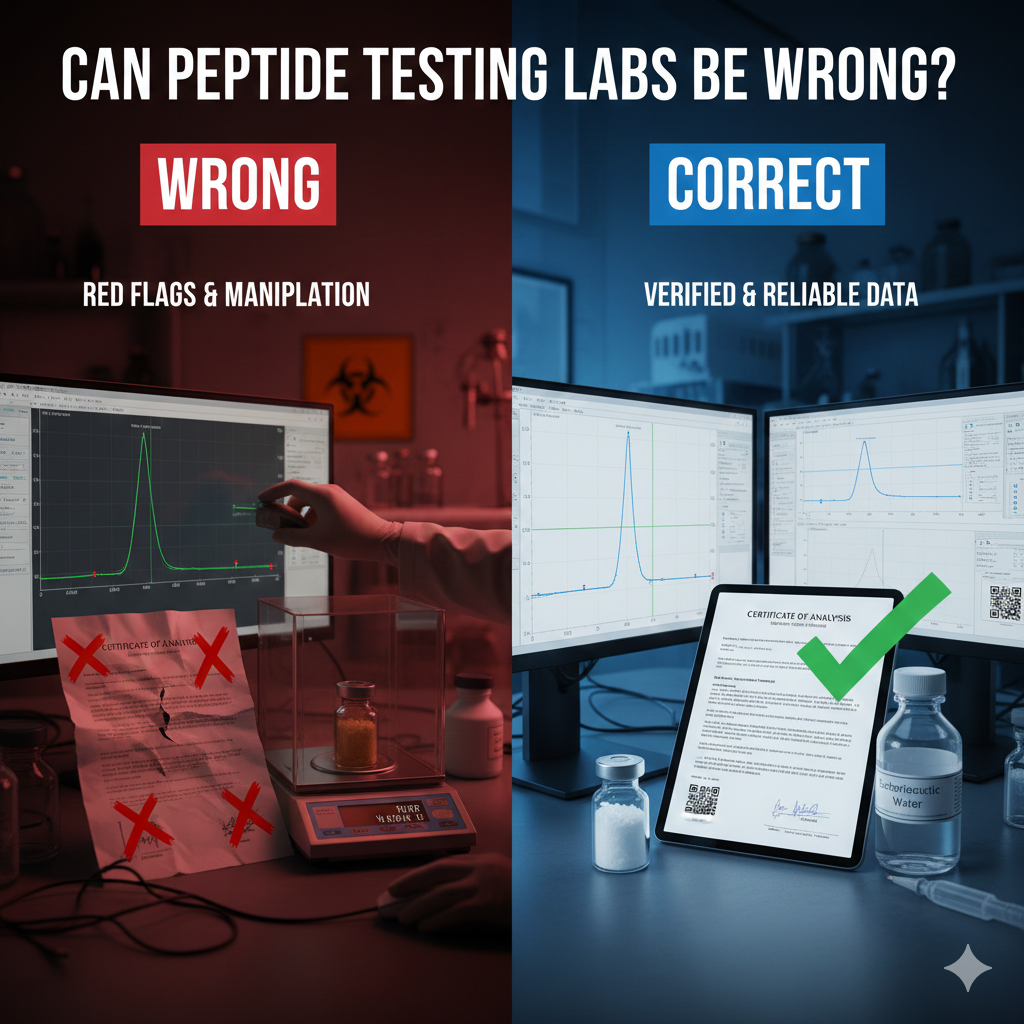
Red Flags That Suggest Inaccurate Results
-
How to Test Peptides with Confidence
-
Final Thoughts on Laboratory Reliability
-
Frequently Asked Questions
The Reality of Laboratory Testing Accuracy
Understanding Peptide Testing Accuracy
Yes, peptide testing labs can be wrong. While modern analytical chemistry has advanced significantly, peptide testing accuracy depends on numerous factors that can introduce errors. Human error, equipment malfunction, contamination during handling, and methodological limitations all contribute to potential inaccuracies. Understanding this reality helps researchers and consumers make informed decisions about which testing facilities to trust with their peptide analysis needs.
Quality Control Measures That Matter
The question isn't whether labs can make mistakes, but rather how often errors occur and what mechanisms exist to catch them. Reliable peptide testing labs implement quality control measures specifically designed to minimize errors and catch problems before results are reported. However, not all testing facilities maintain the same standards, which means the accuracy of your peptide analysis can vary dramatically depending on where you send your samples.
How Peptide Testing Actually Works
Peptide Lab Testing Methods Explained
Peptide testing relies primarily on sophisticated peptide lab testing methods including high-performance liquid chromatography and mass spectrometry. These techniques separate peptide molecules based on their chemical properties and measure their precise molecular weight. The process begins when a peptide sample arrives at the laboratory, where technicians prepare it according to standardized protocols that ensure consistency across different test batches.
From Sample to Results
During an HPLC peptide purity test, the peptide solution passes through specialized columns that separate components based on size, charge, or hydrophobicity. Detectors then measure the quantity and identity of each separated component. Peptide mass spectrometry testing provides additional confirmation by analyzing molecular weight with extreme precision. This data gets processed through computer software that compares results against known standards. When you learn how to test peptides properly, you realize the entire process depends on precise calibration and careful technique at every stage.
Common Sources of Error in Peptide Analysis
Sample Contamination Issues
Sample contamination represents one of the most frequent causes of inaccurate peptide testing results. Even microscopic amounts of foreign material can skew readings and lead to false conclusions about purity or composition. Signs of contaminated peptides can include discoloration, unusual odor, or particulate matter, though many contaminants remain invisible. Contamination can occur during manufacturing, storage, shipping, or laboratory handling. Environmental factors like temperature fluctuations and exposure to light can also degrade peptide samples before they ever reach the testing equipment.
Equipment and Human Factors
Equipment-related errors constitute another significant category of potential problems. Mass spectrometers and chromatography systems require regular calibration using reference standards. When calibration drifts or equipment components wear out, measurements become less accurate. Additionally, human error during sample preparation or data interpretation can lead to mistakes that affect final results. Some facilities may even produce fake peptide test results through negligence or deliberate fraud. Labs that rush through high volumes of samples may cut corners that compromise accuracy.
What to Look for in Peptides When Choosing a Lab
Accredited Peptide Testing Standards
Accreditation and certification provide important indicators of laboratory quality. Look for facilities that maintain ISO 17025 accreditation, which demonstrates adherence to international standards for testing and calibration. Accredited peptide testing facilities undergo regular audits by organizations like the American Association for Laboratory Accreditation, ensuring they maintain documented quality management systems and follow best practices consistently.
Transparency in Testing Methods
Transparency about testing methods matters significantly when evaluating potential testing partners. The best way to test peptide quality involves comprehensive analysis using multiple techniques. Reputable laboratories willingly explain their analytical procedures, equipment specifications, and quality control protocols. They should provide detailed peptide COA testing documentation that includes information about testing conditions, detection limits, and confidence intervals. What to look for in peptides analysis extends beyond just the final purity percentage to encompass the entire testing methodology and reporting standards.
How to Know If Peptides Are Contaminated
Visible and Invisible Signs
Multiple indicators can reveal peptide contamination before and during testing. Visual inspection sometimes shows signs of contaminated peptides including discoloration, cloudiness, or particulate matter that suggests impurities. However, many contaminants remain invisible to the naked eye, making laboratory testing essential. The most reliable way to detect contamination involves analyzing the complete chemical profile of a peptide sample rather than testing for a single target compound.
Comprehensive Contamination Detection
Advanced testing methods can identify specific types of contaminants including residual solvents, heavy metals, bacterial endotoxins, and related peptide sequences that result from incomplete synthesis. Endotoxin testing for peptides is particularly critical for samples intended for therapeutic or research applications involving living systems. How to know if peptides are contaminated requires understanding that different contaminants demand different detection methods. Sterility testing peptides ensures biological safety by confirming absence of microbial contamination. A comprehensive analysis examines multiple potential contamination sources rather than assuming purity based on limited testing parameters.
Understanding Sample Handling and Its Impact
Pre-Laboratory Sample Care
Proper sample handling begins long before a vial reaches the laboratory. Peptides are inherently unstable molecules that can degrade when exposed to improper storage conditions. Temperature control, protection from light, and appropriate packaging materials all influence whether a sample arrives at the testing facility in its original state or in a degraded form that produces misleading results.
Laboratory Handling Protocols
Inside the laboratory, strict protocols govern how technicians handle samples to prevent cross-contamination and degradation. This includes using dedicated equipment for sample preparation, working in controlled environments, and following documented procedures for every step. Labs that handle samples carelessly may introduce errors that make even the most sophisticated analytical equipment produce incorrect results. The integrity of testing depends as much on human procedures as on technological capabilities.
The Role of Equipment Calibration in Results
Regular Calibration Requirements
Testing equipment requires regular calibration against certified reference materials to maintain peptide testing accuracy. Over time, detector sensitivity can drift, column performance can degrade, and electronic components can shift. Laboratories should calibrate equipment according to manufacturer specifications and document every calibration event. When calibration schedules slip or reference standards become outdated, measurement accuracy suffers correspondingly.
Quality Assurance Through Controls
Quality assurance programs include running known standards alongside unknown samples to verify that equipment performs within acceptable parameters. These control samples help detect when instruments begin producing unreliable data. However, some facilities may skip these verification steps to save time or reduce costs. The frequency and rigor of calibration and quality control directly impact whether a lab's results accurately reflect the true composition of your peptide samples.
How to Check Peptide Purity Through Testing Methods
Multiple Analytical Approaches
Multiple analytical approaches exist for assessing peptide purity, each with distinct advantages and limitations. High-performance liquid chromatography with ultraviolet detection provides excellent separation and quantification of major components but may miss trace contaminants. Peptide mass spectrometry testing offers superior molecular identification but requires specialized expertise to interpret complex spectra accurately.
Combining Complementary Techniques
How to check peptide purity effectively often requires combining multiple complementary techniques. The best way to test peptide quality involves using both HPLC peptide purity test methods and mass spectrometry for comprehensive analysis. For example, reverse-phase chromatography might reveal the percentage of target peptide present, while mass spectrometry confirms the molecular identity and detects related impurities. Amino acid analysis can verify sequence composition, and endotoxin testing ensures biological safety. Comprehensive purity assessment examines samples from multiple analytical angles rather than relying on a single measurement.
Third-Party Verification and Its Importance
The Value of Independent Testing
Independent verification through third party peptide testing provides valuable confirmation of peptide quality. When a manufacturer's in-house lab produces results, conflicts of interest may consciously or unconsciously influence testing protocols and interpretation. Third party peptide testing laboratories have no financial stake in producing favorable results, which enhances objectivity and credibility and helps with peptide fraud detection.
Split Sample Strategies
Sending split samples to multiple independent labs can reveal discrepancies that suggest problems with one or more testing facilities. When independent laboratories using different equipment and methods reach similar conclusions, confidence in the accuracy of those results increases substantially. This approach costs more upfront but can prevent costly mistakes that result from relying on inaccurate data from a single source.
Red Flags That Suggest Inaccurate Results
Results That Seem Too Perfect
Several warning signs indicate potentially unreliable test results. Results that seem too good to be true often are, especially when they show implausibly high purity or no detectable contaminants. Reputable labs report realistic limitations of their testing methods and acknowledge when trace impurities exist below detection limits rather than claiming absolute perfection. These could be signs of fake peptide test results produced by unscrupulous operators.
Documentation and Consistency Issues
Lack of detailed documentation raises serious concerns about result validity. Complete peptide COA testing certificates should include testing methodology, equipment specifications, acceptance criteria, and information about the standards used for calibration. Labs that provide only brief summary reports without supporting data may lack the quality systems necessary for accurate testing. Additionally, inconsistent results across multiple batches of supposedly identical material suggest problems with either the testing lab or the manufacturing process.
How to Test Peptides with Confidence
Vetting Laboratory Partners
Building confidence in peptide testing results requires a multi-faceted approach. Start by thoroughly vetting potential testing laboratories through research into their accreditations, experience, and reputation within the industry. A reliable peptide testing lab should have documented quality systems and transparent communication. Request detailed information about their testing protocols and quality control measures before committing to work with them. Consider peptide purity testing cost as one factor, but prioritize quality and accuracy over price alone.
Clear Communication and Requirements
Establish clear communication with the laboratory about your specific testing requirements and expectations. Different applications demand different levels of purity and different types of analysis. A peptide intended for research applications may require different testing than one destined for therapeutic development. Understanding peptide testing turnaround time helps you plan appropriately for project timelines. How to test peptides appropriately depends on understanding your specific needs and ensuring the laboratory can meet them with validated, appropriate methods. Asking about how much does peptide testing cost upfront prevents surprises and helps you budget effectively.
Final Thoughts on Laboratory Reliability
Balancing Trust and Verification
Peptide testing laboratories can indeed produce incorrect results, but understanding potential sources of error helps you select reliable partners and interpret results appropriately. The most dependable approach combines choosing accredited peptide testing facilities with transparent quality systems, requesting comprehensive testing using multiple peptide lab testing methods, and considering third party peptide testing when stakes are high.
Commitment to Quality Testing
Quality peptide analysis requires significant expertise, sophisticated equipment, and rigorous attention to detail throughout every stage of the testing process. At Optima Labs, we understand that accurate testing forms the foundation of peptide research and development. By recognizing both the capabilities and limitations of laboratory testing, researchers can make informed decisions that advance their work with confidence in the quality and purity of their peptide materials.
Frequently Asked Questions
How accurate are peptide tests?
Peptide testing accuracy typically ranges from 95-99% when performed by accredited laboratories using validated methods like HPLC and mass spectrometry. However, accuracy depends heavily on proper sample handling, equipment calibration, and technician expertise. Minor variations of 1-2% are normal even with high-quality testing. The most accurate results come from laboratories that use multiple complementary testing methods and maintain strict quality control protocols including regular calibration and proficiency testing.
Can peptides be tested for quality?
Yes, peptides can be comprehensively tested for quality through multiple peptide lab testing methods. Quality testing examines purity, identity, potency, and contamination levels. High-performance liquid chromatography measures overall purity and related impurities, while mass spectrometry confirms molecular weight and sequence. Additional tests detect specific contaminants like heavy metals, residual solvents, and bacterial endotoxins. Reputable laboratories provide peptide COA testing certificates documenting all quality parameters tested.
How do you know if peptides are legit?
Legitimate peptides come with detailed certificates of analysis from accredited third party peptide testing laboratories showing purity percentages, testing methods used, and specific contaminant levels. Authentic products have consistent batch-to-batch quality, proper labeling with molecular weight and sequence information, and transparent sourcing from reputable manufacturers. Request independent laboratory verification and compare results across multiple tests. Legitimate suppliers willingly provide additional testing documentation and maintain transparent communication about their quality control processes.
What is the most accurate way to test peptides?
The best way to test peptide quality combines multiple analytical techniques rather than relying on a single method. High-performance liquid chromatography coupled with peptide mass spectrometry testing provides comprehensive information about purity, molecular weight, and structural identity. This combination should be supplemented with amino acid analysis to verify sequence composition and specific contamination tests based on intended use. Using multiple independent laboratories to test split samples provides additional confidence in result accuracy and helps identify potential testing errors.
How long does peptide testing take?
Peptide testing turnaround time typically requires 5-10 business days from sample receipt to final report delivery. Complex analyses requiring multiple testing methods or additional contamination screening may take 2-3 weeks. Rush services can sometimes provide preliminary results within 48-72 hours for basic purity testing, though comprehensive analysis takes longer. Testing timelines depend on laboratory workload, sample complexity, and the number of analytical methods required. Always confirm expected turnaround times with your chosen laboratory before submitting samples.
How much does peptide testing cost?
Peptide purity testing cost varies depending on the complexity of analysis required. Basic HPLC peptide purity tests typically range from $150-$300 per sample, while comprehensive testing including mass spectrometry, endotoxin testing, and sterility testing can cost $500-$1,500 or more. Third party peptide testing from accredited facilities may cost more but provides independent verification. Volume discounts are often available for multiple samples. Request detailed quotes from multiple reliable peptide testing labs to compare services and pricing before making a decision.