Table of Contents
-
Understanding the True Cost of Peptide Testing
-
Why Test Peptides: The Non-Negotiable Case for Quality Verification
-
Breaking Down Peptide Testing Pricing: What You're Actually Paying For
-
How to Test Peptides: Methods That Determine Cost
-
Where to Test Peptides: Choosing the Right Laboratory
-
What to Look for in Peptides When Choosing a Testing Service
-
The Hidden Costs of Not Testing Your Peptides
-
How to Know if Peptides Are Contaminated: Testing Protocols Explained
-
How to Check Peptide Purity and Understanding Your Certificate of Analysis
-
Third Party Peptide Testing vs DIY: Comparing Your Options
-
What Does Peptide Testing Show: Understanding Your Results
-
Making Smart Decisions About Peptide Testing Investments
-
Final Thoughts on Peptide Testing Costs and Value
Understanding the True Cost of Peptide Testing
When researchers and institutions first encounter the world of peptide analysis, the question of cost inevitably rises to the surface. The price of peptide testing varies significantly based on multiple factors, ranging from the complexity of analysis required to the turnaround time you need. Understanding these cost structures helps you make informed decisions about ensuring the quality and safety of your peptide products before using them in critical research applications.
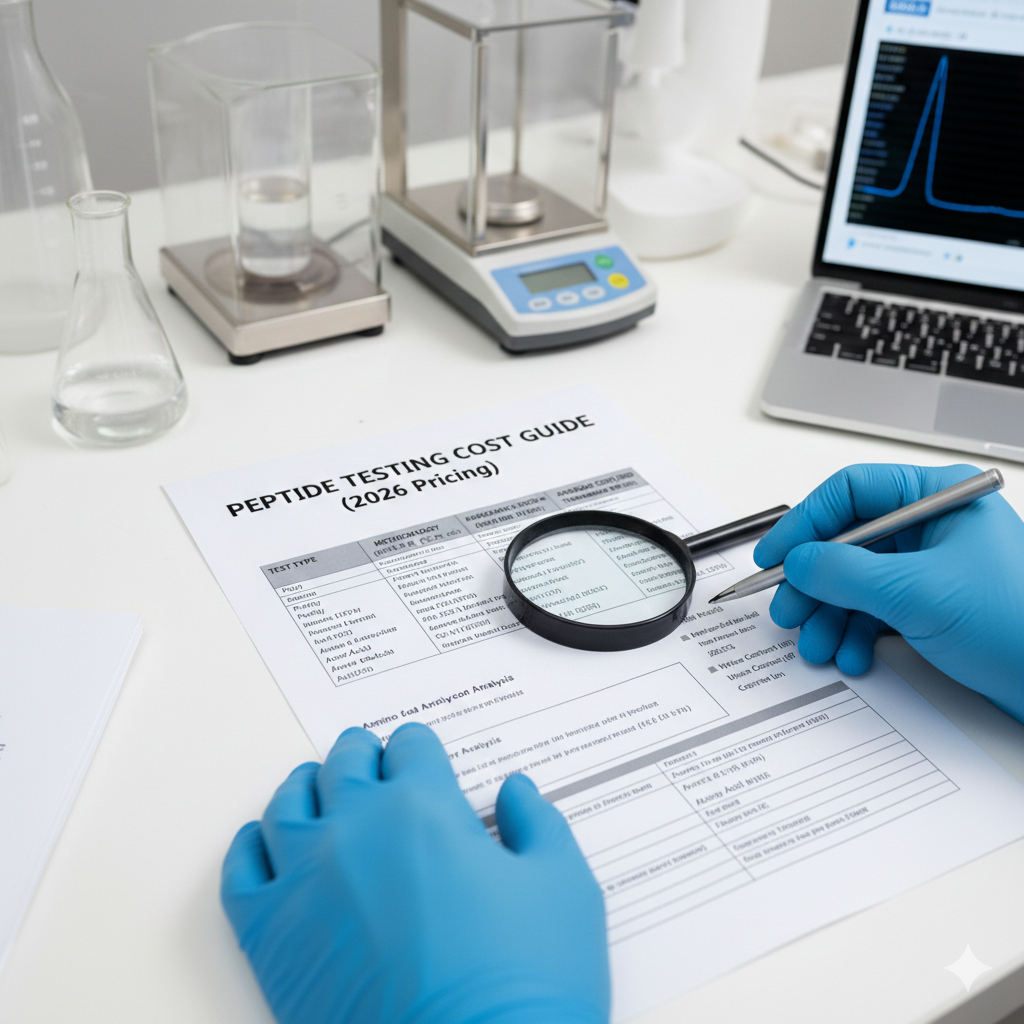
Most professional peptide testing services charge between $150 and $800 per sample, though this range can extend higher for specialized analyses. The variation in pricing reflects differences in testing methodology, the depth of analysis, accreditation status of the laboratory, and the comprehensiveness of the final report. Some facilities offer basic screening tests at the lower end of this spectrum, while comprehensive analytical profiles that include multiple testing methods naturally command higher fees. When searching for the best peptide testing lab, you'll discover that pricing often correlates with analytical capability and documentation quality, though not always in straightforward ways.
The peptide testing industry has evolved considerably over the past decade, with more laboratories entering the market and offering competitive pricing structures. This competition has generally benefited consumers, though it's essential to remember that the cheapest option isn't always the wisest choice. The cost of peptide testing should be viewed as an investment in quality assurance rather than simply an expense to minimize. When you consider the potential consequences of using contaminated or impure peptides in research applications, the testing cost becomes a small fraction of your overall investment in quality and reliability. Third party peptide testing provides independent verification that protects your research integrity regardless of supplier claims.
Why Test Peptides: The Non-Negotiable Case for Quality Verification
The peptide market has expanded rapidly, with numerous suppliers offering products at varying price points and quality levels. This proliferation of sources has created an urgent need for independent verification through testing. Without proper analysis, you have no reliable way to confirm that what you've purchased matches what was advertised on the label. Understanding why test peptides should be a mandatory step begins with recognizing the substantial risks of skipping this critical quality control measure.
The consequences of using untested peptides extend far beyond wasted money and include compromised research integrity, potential safety hazards, and unreliable experimental results. Many researchers wonder what does peptide testing show that makes it so essential, and the answer encompasses identity verification, purity quantification, contamination screening, and structural confirmation. Each of these parameters can significantly impact experimental outcomes, making peptide testing for research a foundational requirement rather than an optional extra. When peptide quality issues remain undetected, they can invalidate months or years of work, waste expensive reagents and biological materials, and undermine the reproducibility that forms the cornerstone of scientific progress.
Understanding how to test peptides properly begins with recognizing what can go wrong in peptide manufacturing and distribution. Synthesis errors, degradation during storage, contamination from bacterial endotoxins, heavy metals, or residual solvents, and simple mislabeling all represent real risks in the peptide supply chain. Each of these issues requires different testing approaches to detect and quantify, which directly impacts the overall cost structure of comprehensive peptide lab analysis. The regulatory landscape surrounding peptides continues to evolve, with increasing scrutiny on quality control practices across research institutions and commercial operations. Many funding agencies and scientific journals now expect or require verification of peptide identity and purity as part of research methodology, making peptide verification testing not just a best practice but increasingly a mandatory component of responsible research conduct.
Breaking Down Peptide Testing Pricing: What You're Actually Paying For
When you receive a quote for peptide testing services, you're not simply paying for a number on a certificate. The cost encompasses a complex series of analytical procedures, quality control measures, expert interpretation, and documentation. Understanding these components helps clarify why professional peptide testing carries the price tag it does and what you should expect for your investment in peptide quality testing methods.
The largest component of testing costs relates to the instrumentation required for modern peptide analysis. High-performance liquid chromatography systems coupled with mass spectrometry represent multi-million dollar investments that laboratories must amortize across their testing volume. These instruments require regular maintenance, calibration, and eventual replacement, all of which factor into per-sample pricing. Additionally, the consumables used in testing, including specialized columns, solvents, and reference standards, add incremental costs to each analysis performed. When comparing where to test peptides, laboratories with newer, more sophisticated instrumentation may charge premium prices but deliver superior analytical capability and peptide testing accuracy.
Labor represents another significant portion of peptide testing expenses. Qualified analytical chemists with expertise in peptide characterization command professional salaries commensurate with their education and experience. Each sample requires preparation time, instrument operation, data analysis, and report generation, all performed by trained personnel. Laboratories maintaining certifications or accreditations also invest in ongoing staff training, proficiency testing, and quality management systems that ensure consistent, reliable results. These quality assurance measures add to operational costs but provide the confidence that your testing results are accurate and defensible. Understanding how long does peptide testing take also helps explain costs, as faster turnaround times require laboratories to dedicate additional resources and potentially work outside normal schedules to accommodate urgent requests.
How to Test Peptides: Methods That Determine Cost
The methodology employed for peptide testing directly influences the final cost you'll encounter. Different analytical techniques offer varying levels of information, with more comprehensive methods naturally commanding higher prices. Understanding the major testing approaches helps you select the appropriate level of analysis for your specific needs and budget, whether you're testing research peptides, therapeutic peptides, or cosmetic peptides.
High-performance liquid chromatography, commonly abbreviated as HPLC, represents the workhorse of peptide testing. This technique separates peptide mixtures and quantifies the primary peptide peak relative to impurities and degradation products. Basic HPLC testing typically falls on the lower end of the cost spectrum and provides essential information about peptide purity percentage. The resulting data shows the relative abundance of your target peptide compared to related substances, degradation products, and synthesis byproducts. However, HPLC alone cannot definitively confirm peptide identity, as different peptides might produce similar chromatographic profiles under certain conditions, which is why comprehensive peptide quality testing methods employ multiple complementary techniques.
Mass spectrometry takes peptide analysis to a deeper level by measuring the exact molecular weight of compounds in your sample. This technique can confirm whether the peptide present matches the expected structure or reveals if synthesis errors have occurred. When laboratories couple HPLC with mass spectrometry, often called LC-MS or HPLC-MS, you receive both purity information and identity confirmation in a single analysis. This combined approach costs more than standalone HPLC but provides significantly greater analytical confidence and forms the foundation of professional peptide lab analysis. Some applications require even more sophisticated mass spectrometry techniques, such as tandem mass spectrometry (MS/MS), which fragments the peptide to verify its amino acid sequence. These advanced methods push testing costs toward the higher end of the spectrum but offer unparalleled certainty about peptide structure. Understanding peptide testing results explained requires familiarity with these different analytical approaches and what each technique reveals about your sample.
Where to Test Peptides: Choosing the Right Laboratory
Selecting where to test peptides represents a crucial decision that impacts both cost and result quality. The peptide testing landscape includes various laboratory types, from local analytical service providers to specialized peptide characterization facilities, and even university core facilities. Each option presents distinct advantages and limitations that affect pricing, turnaround time, analytical capability, and service quality.
Commercial analytical laboratories specializing in peptide testing typically offer the most comprehensive service packages with established quality systems and rapid turnaround times. These facilities have made substantial investments in peptide-specific instrumentation and employ scientists with deep expertise in peptide characterization. While their pricing may exceed that of generalist laboratories or academic facilities, the specialized focus often translates to better method development, more thorough analysis, and more insightful interpretation of complex results. When researching the best peptide testing lab for your needs, commercial specialists deserve serious consideration despite potentially higher costs, particularly for critical applications where analytical quality cannot be compromised.
What to Look for in Peptides When Choosing a Testing Service
Knowing what to look for in peptides guides your selection of both suppliers and testing services. Different peptide applications have varying purity requirements, and understanding these standards helps you request appropriate testing without overpaying for unnecessary analyses or underinvesting in critical quality parameters. The testing service you choose should have expertise in evaluating all quality attributes relevant to your specific application and intended use.
Peptide purity percentage represents the most commonly cited specification, typically expressed as the percentage of the main peptide peak relative to all detected compounds in the chromatogram. Research peptides generally require purity levels above 95%, while therapeutic peptides or pharmaceutical applications may demand 98% or higher. However, this single number doesn't tell the complete story about peptide quality. The nature of impurities matters as much as their quantity, since certain contaminants pose greater risks than others depending on your application. A certificate of analysis from reputable testing laboratories will detail not just the overall purity but provide information about the types and levels of specific impurities detected during analysis.
Beyond purity, peptide identity verification ensures you've received the correct sequence rather than a similar but incorrect molecule. This distinction becomes critical when working with novel peptides or when research outcomes depend on precise structural features. Mass spectrometry provides molecular weight confirmation that serves as a primary identity check, while more advanced sequencing techniques offer complete amino acid sequence verification for the highest level of certainty. Endotoxin testing represents another crucial parameter, particularly for peptides used in cell culture or any application involving biological systems. Bacterial endotoxins can trigger immune responses at remarkably low concentrations, potentially confounding experimental results or creating safety concerns. Testing services that include endotoxin analysis add value for applications where these contaminants pose risks, though this additional testing increases overall costs. When evaluating what to look for in peptides before purchasing from a supplier, review their provided documentation to understand which quality parameters they routinely test and whether their standards align with your application requirements.
The Hidden Costs of Not Testing Your Peptides
While peptide testing carries an upfront cost, failing to test your materials often proves far more expensive in the long run. The hidden costs of working with unverified peptides accumulate through various pathways that may not become apparent until significant time and resources have been invested in research projects or product development. Understanding these potential costs reinforces why test peptides should be considered a mandatory investment rather than an optional expense.
Failed experiments represent one of the most direct costs of untested peptides. When research doesn't produce expected results due to peptide quality issues, you've lost not only the cost of the peptide itself but also the value of reagents, cell lines, animal subjects, technician time, and opportunity costs associated with delayed project timelines. Troubleshooting unexpected results can consume weeks or months before peptide quality emerges as the culprit. During this period, research teams explore other potential explanations, run additional controls, and potentially redesign experiments, all while the actual problem lies in the starting material that was never properly verified through third party peptide testing. The cumulative cost of these failed experiments and troubleshooting efforts typically exceeds the peptide testing cost many times over.
Reproducibility issues stemming from variable peptide quality create long-term credibility problems that extend beyond individual experiments. When other researchers cannot replicate your published findings due to differences in peptide quality between batches or suppliers, the integrity of the entire body of work comes into question. Retractions and corrections damage professional reputations and can jeopardize future funding opportunities. The cost of independent peptide verification testing pales in comparison to these potential career and institutional consequences. For commercial operations developing peptide-based products, quality issues discovered late in development pipelines can derail regulatory approval processes or lead to costly recalls and liability concerns. These downstream costs can reach millions of dollars, making the few hundred dollars spent on comprehensive peptide lab analysis seem trivial by comparison. Establishing robust quality control through systematic testing before buying peptides for critical applications represents one of the most cost-effective risk management strategies available.
How to Know if Peptides Are Contaminated: Testing Protocols Explained
Contamination represents one of the most concerning quality issues in peptide products, and knowing how to detect various contaminants requires specific testing approaches. Different types of contamination call for different analytical techniques, and comprehensive quality assessment often involves multiple complementary tests. Understanding how to know if peptides are contaminated helps you request appropriate testing and interpret results correctly when reviewing your certificate of analysis.
Chemical contamination can arise from residual reagents used during peptide synthesis, particularly trifluoroacetic acid (TFA), which is commonly employed in solid-phase peptide synthesis. While TFA typically doesn't interfere with most biological applications, other chemical contaminants like heavy metals or residual organic solvents can pose more serious concerns. Testing for these contaminants involves techniques like inductively coupled plasma mass spectrometry for metals or gas chromatography for volatile organic compounds. These specialized tests add to the overall cost of peptide analysis but provide critical safety information for certain applications. When evaluating what does peptide testing show regarding chemical purity, comprehensive reports will quantify specific contaminants and compare levels against relevant safety thresholds or pharmacopeial standards.
Biological contamination, particularly bacterial endotoxins, requires specific testing protocols that differ fundamentally from chemical analysis methods. The Limulus Amebocyte Lysate (LAL) assay represents the gold standard for endotoxin detection and quantification. This test uses reagents derived from horseshoe crab blood cells that react with even minute quantities of bacterial endotoxins. Endotoxin testing is particularly critical for peptides intended for in vivo studies or any application where immune system activation could confound results. Some testing services include endotoxin analysis as part of standard peptide testing packages, while others offer it as an optional add-on that increases the total cost. When searching for where to test peptides with comprehensive contamination screening, verify that the laboratory offers all relevant contamination tests for your specific application rather than just basic purity analysis.
Microbial contamination with viable bacteria, yeast, or fungi represents another category of contamination that requires culture-based testing methods. These tests involve incubating samples under conditions that promote microbial growth and monitoring for contamination over several days. While less common than chemical or endotoxin testing in typical research applications, microbial testing becomes essential for peptides stored in solution or used in applications where sterility is critical. The extended timeframe required for culture-based testing can add both cost and turnaround time to the overall testing process, which is one factor affecting how long does peptide testing take when comprehensive contamination screening is requested.
How to Check Peptide Purity and Understanding Your Certificate of Analysis
Understanding how to check peptide purity helps clarify why different testing services charge different amounts for what might seem like the same analysis. Purity determination involves more nuance than simply running a sample through an instrument and reading a percentage from a printout. The rigor and depth of purity analysis directly correlate with testing costs and the reliability of results documented in your certificate of analysis.
The most common method for peptide purity assessment uses reverse-phase HPLC with ultraviolet detection, typically monitoring absorbance at 214 nanometers or 280 nanometers depending on peptide characteristics. The chromatogram produced by this analysis shows peaks representing different compounds in the sample, with the largest peak ideally corresponding to your target peptide. Calculating peptide purity percentage involves integrating the area under each peak and expressing the main peak as a percentage of total peak area. However, this straightforward description masks several technical decisions that affect result accuracy and, consequently, testing costs. A comprehensive certificate of analysis will include not just the final purity number but also the chromatogram itself, method parameters, and details about how purity was calculated, allowing informed evaluation of result quality.
Method development represents a crucial but often invisible aspect of purity testing. Not all peptides behave identically in chromatographic systems, and achieving adequate separation between the main peptide peak and impurity peaks requires optimization of mobile phase composition, gradient profile, column selection, and temperature. Some testing laboratories use generic methods that work reasonably well for most peptides, keeping costs lower but potentially sacrificing resolution. More expensive testing services may develop peptide-specific methods that maximize separation and provide more accurate peptide purity percentage values, particularly important for peptides with unusual characteristics or those requiring very high purity specifications. Understanding peptide testing results explained requires recognizing that two laboratories reporting different purity values for the same sample may both be technically correct if they used different analytical methods with different resolution capabilities.
The sophistication of data analysis also influences both cost and result quality. Basic purity testing might simply integrate all visible peaks without critical evaluation of baseline noise, peak shoulders, or other chromatographic artifacts that can skew results. Advanced analysis includes careful baseline correction, evaluation of peak purity using diode array detection or mass spectrometry, and assessment of whether all peaks truly represent distinct compounds versus instrument artifacts. Laboratories providing this level of analytical rigor typically charge more but deliver results you can trust with greater confidence. When evaluating peptide testing accuracy, the thoroughness of method development and data analysis often matters more than the sophistication of instrumentation, though both factors contribute to overall result quality.
Third Party Peptide Testing vs DIY: Comparing Your Options
The market now offers various approaches to peptide testing, from simplified test kits marketed for home or lab use to comprehensive professional laboratory services. Understanding the capabilities and limitations of each option helps you make cost-effective decisions appropriate to your quality assurance needs. The comparison between third party peptide testing and DIY approaches reveals substantial differences in analytical capability, documentation quality, and ultimate value.
DIY peptide testing kits have emerged as low-cost alternatives to professional laboratory analysis, with some products priced under fifty dollars. These kits typically use colorimetric or simple chromatographic methods to provide basic assessment of peptide presence and approximate purity. While the low cost makes these kits attractive for preliminary screening, they have significant limitations that restrict their utility for serious quality control purposes. Most DIY kits cannot confirm peptide identity, provide accurate quantification, detect many types of contaminants, or generate documentation suitable for regulatory or publication purposes. When weighing professional vs DIY options, the analytical gap becomes immediately apparent once you examine what each approach can actually determine about your peptide sample.
The gap in analytical capability between consumer-grade test kits and professional peptide lab analysis is substantial. Professional laboratories use instruments costing hundreds of thousands to millions of dollars, operated by scientists with years of specialized training. These facilities follow standardized protocols, maintain quality control programs, participate in proficiency testing, and often hold certifications or accreditations that verify their technical competence. The documentation provided by accredited laboratories carries weight in regulatory submissions, patent applications, and scientific publications in ways that DIY test results cannot match. A proper certificate of analysis from an accredited laboratory provides detailed methodology, quality control data, and expert interpretation that DIY kits simply cannot replicate regardless of how carefully you perform the testing.
For researchers and companies serious about peptide quality, professional third party peptide testing represents money well spent despite higher upfront costs. The comprehensive data, expert interpretation, and defensible documentation justify the price difference for applications where quality cannot be compromised. However, DIY kits might serve a role in preliminary screening of multiple potential suppliers before investing in full professional testing of finalist candidates. This staged approach can optimize overall costs while maintaining appropriate quality standards. When deciding where to test peptides, balance convenience and cost against the analytical rigor and documentation your application truly requires, recognizing that cutting corners on quality verification often proves far more expensive in the long run than investing in proper testing upfront.
What Does Peptide Testing Show: Understanding Your Results
Many researchers new to peptide testing wonder what information they'll actually receive and what does peptide testing show that justifies the expense. Understanding the scope of information provided by comprehensive peptide analysis helps you interpret results correctly and recognize when additional testing might be warranted. A thorough certificate of analysis tells a detailed story about your peptide's identity, purity, and quality that goes well beyond a simple pass or fail designation.
At the most fundamental level, peptide testing confirms molecular identity through mass spectrometry analysis. The measured molecular weight of your peptide should match the calculated theoretical weight within narrow tolerance limits, typically within one or two atomic mass units for standard electrospray ionization mass spectrometry. This identity confirmation ensures you received the correct peptide sequence rather than a related but incorrect structure. More advanced sequencing techniques can verify the exact amino acid sequence, providing absolute certainty about peptide identity. When reviewing peptide testing results explained in your documentation, the mass spectrometry data provides your first assurance that the peptide structure matches what you ordered.
Purity analysis reveals not just the percentage of target peptide but also provides information about impurities present in your sample. The HPLC chromatogram shows each detected compound as a separate peak, with retention times indicating chemical properties and peak areas reflecting relative abundance. Related peptide sequences, deletion sequences where one or more amino acids are missing, truncated sequences, and various synthesis byproducts each produce characteristic peaks that experienced analysts can identify and interpret. Understanding these impurity profiles helps assess whether the peptide quality meets your application requirements and can even provide insights into the synthesis method and quality control practices of your supplier. Peptide verification testing goes beyond simple purity quantification to characterize the nature of impurities present.
Additional testing parameters depend on your specific requirements and application. Endotoxin testing quantifies bacterial contamination that could interfere with biological applications. Water content measurement determines how much of your peptide's weight consists of absorbed moisture rather than active compound, affecting accurate dosing calculations. Peptide content determination accounts for counterions and residual salts to report the percentage of actual peptide in your sample. Residual solvent testing identifies organic solvents remaining from synthesis or purification processes. Each parameter adds incremental information that contributes to a complete quality picture. When evaluating what to look for in peptides from different suppliers, compare the comprehensiveness of testing they provide to understand true product quality beyond headline purity percentages.
Making Smart Decisions About Peptide Testing Investments
Approaching peptide testing as a strategic investment rather than a grudging expense changes how you evaluate and select testing services. Smart decisions balance cost considerations with quality requirements, turnaround needs, and the consequences of potential quality failures in your specific application. Understanding where to test peptides and what level of testing to request requires careful consideration of your actual needs versus standard testing packages offered by various laboratories.
Defining your actual testing requirements represents the crucial first step in optimizing peptide testing costs. Not every application requires the most comprehensive testing available, and paying for analyses you don't need wastes resources. For routine quality control of established peptides from validated suppliers, basic HPLC purity and mass spectrometry confirmation might suffice. Novel peptides, new suppliers, or critical applications might justify more extensive testing including amino acid analysis, peptide sequencing, or multiple orthogonal purity methods. When determining why test peptides to a particular extent, consider the criticality of your application, the track record of your supplier, the cost of potential failures, and any regulatory or publication requirements. Clearly articulating your quality requirements to testing laboratories helps them recommend appropriate testing packages and prevents both under-testing and over-testing.
Evaluating testing laboratories involves more than comparing price quotes when researching the best peptide testing lab. While cost matters, factors like analytical capability, quality system robustness, customer service responsiveness, and report comprehensiveness all contribute to overall value. Requesting sample reports from prospective laboratories before committing to testing helps you assess whether their documentation meets your needs. Some laboratories provide minimal documentation that simply lists a purity percentage, while others generate comprehensive analytical reports with complete chromatograms, mass spectra, detailed methodology, and expert interpretation. The difference in documentation quality may justify price differences and affect the utility of results for your purposes. Understanding peptide testing accuracy and reliability requires evaluating the laboratory's quality management systems, accreditation status, and participation in proficiency testing programs.
Building relationships with testing laboratories can yield benefits beyond immediate cost savings. Laboratories familiar with your specific peptides, quality requirements, and application needs can provide more efficient service, faster turnaround, and more insightful interpretation of unusual results. When quality issues arise, an established relationship facilitates productive troubleshooting conversations that help identify root causes and implement corrective actions. These intangible benefits of ongoing partnerships often prove more valuable than pursuing the absolute lowest price for each individual test. For organizations with consistent testing needs, exploring contract testing agreements can substantially reduce overall quality control expenses while ensuring reliable access to peptide verification testing services.
Final Thoughts on Peptide Testing Costs and Value
The cost of peptide testing spans a wide range depending on analytical depth, laboratory quality, and specific requirements of your application. While prices from $150 to $800 or more per sample might seem substantial, these costs represent a small fraction of total peptide-related expenses when you account for purchase costs, research applications, and potential consequences of quality failures. Professional peptide testing provides essential verification that protects your research integrity, ensures safety, and validates supplier claims.
Making informed decisions about peptide testing requires understanding both what you're paying for and what you're getting in return. Comprehensive analytical services using state-of-the-art instrumentation and expert interpretation deliver value that far exceeds the nominal testing fee when quality matters. For peptide testing for research applications, commercial product development, or any situation where peptide performance affects outcomes, investing in proper testing represents money well spent rather than an optional expense to minimize. Understanding how to test peptides properly, where to test peptides for optimal results, and what does peptide testing show about your sample quality empowers you to make informed quality control decisions.
The peptide testing landscape continues to evolve with improving technologies, increasing competition, and growing recognition of quality assurance importance across the research community. As testing becomes more accessible and standardized, costs may moderate while analytical capabilities expand. However, the fundamental value proposition remains constant: professional third party peptide testing provides the confidence and documentation needed to work with these powerful research tools safely and effectively. When evaluating testing costs, focus on the complete picture of value rather than simply seeking the lowest price, and recognize that quality assurance represents an investment in research success rather than merely an expense to endure. The certificate of analysis you receive documents not just peptide quality but your commitment to rigorous scientific standards that form the foundation of reproducible, reliable research.
Get Your Peptides Tested with Optima Labs
Don't compromise your research with untested peptides. Optima Labs delivers fast, accurate, and affordable peptide testing with comprehensive certificates of analysis. Our HPLC-MS testing confirms identity and purity in just 5-7 days. Whether you need single-sample testing or volume discounts for multiple batches, we're here to support your quality control needs. Request your free quote today and experience the Optima Labs difference.
Frequently Asked Questions About Peptide Testing Costs
How much does basic peptide testing typically cost?
Basic peptide testing typically costs between $150 and $300 per sample for standard HPLC purity analysis with mass spectrometry confirmation. This entry-level testing provides essential information about peptide purity percentage and molecular weight confirmation to verify identity. The exact price depends on the laboratory you choose, turnaround time expectations, and whether you need any add-on analyses like endotoxin testing. Many laboratories offer package pricing that becomes more economical when testing multiple samples or establishing ongoing relationships. Basic testing suffices for routine quality control of peptides from established suppliers when comprehensive analytical documentation isn't required. When comparing where to test peptides, request detailed quotes that specify exactly what analyses are included in the base price versus what costs extra.
Is peptide testing worth the cost?
Peptide testing is absolutely worth the cost for any serious research or commercial application. The investment in testing represents a small fraction of your total peptide expenses when you consider purchase costs, associated reagents, labor, and opportunity costs. Untested peptides carry substantial risks including failed experiments, irreproducible results, compromised research integrity, and potential safety concerns. A few hundred dollars spent on professional testing can prevent thousands or tens of thousands of dollars wasted on experiments using contaminated or mislabeled peptides. For research destined for publication or regulatory submission, peptide verification testing provides essential documentation that strengthens your methodology and supports data validity. Understanding why test peptides becomes clear when you calculate the potential costs of quality failures versus the modest investment in proper verification.
What is the difference between cheap and expensive peptide testing?
The difference between cheap and expensive peptide testing lies primarily in analytical depth, instrumentation sophistication, quality system rigor, and documentation comprehensiveness. Lower-cost testing typically employs basic HPLC methods with minimal method development, provides limited documentation, and may not include confirmatory techniques. Higher-priced testing uses advanced instrumentation like high-resolution mass spectrometry, employs peptide-specific method development for optimal separation, includes multiple orthogonal techniques for greater confidence, and generates comprehensive reports with expert interpretation. Expensive testing from accredited laboratories also reflects investments in quality management systems, regular proficiency testing, instrument calibration programs, and trained personnel. When evaluating peptide testing accuracy, premium services deliver value that justifies higher costs for critical applications requiring defensible documentation or maximum analytical confidence. For routine screening where basic purity information suffices, lower-cost options may adequately meet needs.
How long does peptide testing take and does faster testing cost more?
Standard peptide testing typically requires one to two weeks from sample submission to final report delivery. This timeline allows laboratories to batch samples efficiently, perform thorough analysis, and complete quality control checks on results. Understanding how long does peptide testing take helps with project planning and budgeting. Rush testing services are available from most laboratories for urgent needs, typically delivering results within 24 to 72 hours, but expedited service commands premium pricing, often 50% to 100% above standard rates. The faster turnaround requires laboratories to prioritize your sample ahead of others, potentially work overtime or weekends, and dedicate instrument time outside normal batching schedules. If your project timeline permits, choosing standard turnaround provides the best value while still receiving the same analytical quality as rush services. When researching where to test peptides, inquire about both standard and expedited turnaround options to understand the cost implications of different timeframes.
Can I test peptides myself instead of using a professional laboratory?
While DIY peptide test kits exist and cost significantly less than professional laboratory testing, they provide only limited screening capability and cannot replace comprehensive analytical services for serious quality control needs. Home test kits lack the analytical sophistication to confirm peptide identity, accurately quantify purity, detect many types of contamination, or generate documentation suitable for regulatory or publication purposes. Understanding how to test peptides properly requires instrumentation and expertise that individual researchers cannot practically replicate. Professional laboratories use equipment costing hundreds of thousands of dollars, operated by trained analytical chemists following validated methods and quality control protocols. The comparison between third party peptide testing and DIY approaches reveals fundamental differences in capabilities and result reliability. For preliminary supplier screening or educational purposes, DIY kits might serve a role, but any peptide destined for actual research use should undergo professional peptide lab analysis to ensure quality and obtain credible documentation.
What factors make peptide testing more expensive?
Several factors increase peptide testing costs beyond baseline analysis. Complex samples requiring extensive preparation, unusual formulations needing method development, or requests for specialized analyses like amino acid composition or peptide sequencing all add to final pricing. Expedited turnaround time requirements command premium fees since laboratories must prioritize your samples ahead of standard workflow. Very high purity requirements may necessitate more sensitive detection methods or multiple orthogonal techniques for verification, increasing analytical complexity and cost. Additional testing beyond basic purity and identity confirmation, such as endotoxin analysis, heavy metal screening, residual solvent testing, or sterility testing, adds incremental charges for each additional assay. Laboratories with specialized accreditations or those following regulatory compliance standards like GMP typically charge more than non-accredited facilities due to their substantial quality system investments. Understanding which factors drive costs helps you make informed decisions about which testing features you truly need versus those that add expense without commensurate value for your application.
Where can I find the best peptide testing lab for my needs?
Finding the best peptide testing lab depends on balancing multiple factors including analytical capability, quality certifications, turnaround time, customer service, and cost. Commercial laboratories specializing in peptide analysis typically offer the most comprehensive services with established quality systems, though they may charge premium prices. University core facilities and regional analytical service providers may offer lower costs but potentially longer turnaround times and less specialized expertise. When researching where to test peptides, start by defining your specific requirements including purity thresholds, identity confirmation needs, contamination screening requirements, and documentation standards. Request sample certificates of analysis from prospective laboratories to evaluate their reporting quality. Check for relevant accreditations like ISO 17025 that demonstrate quality management competence. Read customer reviews and ask for references from researchers in your field. Many researchers initially search for peptide testing near me seeking local options, but geographic proximity matters less than analytical capability and service quality since shipping samples is straightforward for most applications.
What information should I expect in my certificate of analysis?
A comprehensive certificate of analysis should provide detailed documentation of all testing performed including methodology, raw data, calculated results, and expert interpretation. At minimum, expect HPLC chromatograms showing purity analysis with the peptide purity percentage calculated from peak integration. Mass spectrometry data should confirm molecular weight with comparison to theoretical values. The report should specify analytical methods used including instrument parameters, column information, and mobile phase composition. Quality control data demonstrating system suitability and calibration should be included. For additional tests like endotoxin analysis or residual solvent testing, expect clear reporting of results with appropriate units and comparison to relevant specifications or pharmacopeial limits. Understanding peptide testing results explained requires clear documentation of how calculations were performed and what acceptance criteria were applied. The best laboratories provide not just raw numbers but interpretive comments that help you understand what the results mean for your specific application and whether any quality concerns were identified during analysis.