-
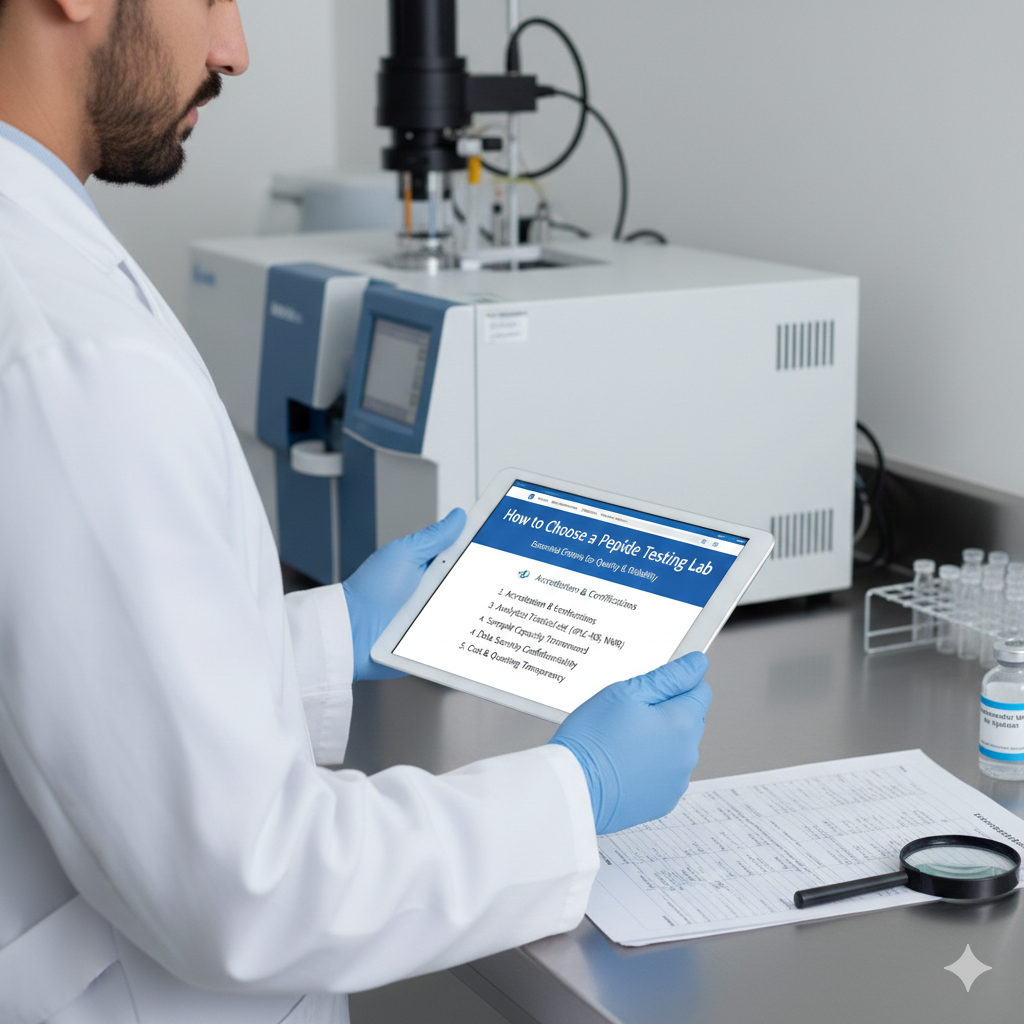
Understanding the Importance of Peptide Testing
-
What Makes a Reliable Peptide Testing Laboratory
-
How to Test Peptides: Methods and Approaches
-
What to Look for in Peptides When Evaluating Quality
-
Recognizing Signs of Contamination in Peptide Products
-
How to Check Peptide Purity Through Laboratory Analysis
-
Peptide Identity Verification and Certificate of Analysis
-
Sterility Testing and Endotoxin Screening for Peptides
-
Certifications and Peptide Lab Accreditation Standards
-
Understanding Peptide Test Results and COA Documents
-
Research Grade vs Pharmaceutical Grade Peptide Testing
-
Questions to Ask Before Selecting a Testing Lab
-
Final Thoughts on Choosing the Right Partner
-
Frequently Asked Questions
Understanding the Importance of Peptide Testing
Why Third-Party Peptide Testing Matters
The peptide industry has experienced explosive growth in recent years, but this expansion has brought challenges regarding product quality and authenticity. Whether you're a researcher, healthcare provider, or individual consumer, understanding how to choose a peptide testing lab is critical for ensuring the safety and efficacy of your peptide products. Third party peptide testing provides unbiased verification that protects you from contaminated or mislabeled substances that could compromise research outcomes or personal health.
The Role of Independent Laboratory Analysis
Independent laboratories serve as neutral arbiters in peptide quality verification. When you work with a reputable testing facility, you gain confidence that what's on the label matches what's actually in the vial. Learning how to verify peptide quality through proper testing protocols protects both your investment and wellbeing, ensuring that every batch meets the standards required for your specific application.
What Makes a Reliable Peptide Testing Laboratory
Advanced Equipment and Technology Requirements
A trustworthy peptide testing laboratory demonstrates several key characteristics that set it apart from less qualified competitors. First and foremost, the facility should employ advanced analytical equipment specifically designed for peptide analysis. High-performance liquid chromatography (HPLC) and mass spectrometry are industry standards that any serious testing lab must utilize to deliver accurate results for peptide identity verification and purity assessment.
Expertise and Experience in Peptide Analysis
Beyond equipment, the human element matters tremendously. Look for laboratories staffed by experienced chemists and technicians who specialize in peptide analysis. These professionals should understand the unique challenges peptides present, including their sensitivity to environmental factors and the complexity of their molecular structures. A lab's track record in handling both research grade peptides testing and pharmaceutical grade peptide testing can serve as reliable indicators of expertise and reliability.
How to Test Peptides: Methods and Approaches
High-Performance Liquid Chromatography Testing
Understanding how to test peptides helps you evaluate whether a laboratory uses appropriate methodologies. The most comprehensive approach involves multiple testing techniques that examine different aspects of peptide quality. HPLC testing measures purity by separating peptide compounds and identifying the percentage of the target peptide versus impurities or byproducts. This method forms the foundation of peptide potency testing and quality verification.
Mass Spectrometry and Amino Acid Analysis
Mass spectrometry confirms molecular identity by measuring the exact mass of peptide molecules, ensuring you're receiving the specific peptide you ordered. This technique is essential for peptide identity verification and catches substitutions or mislabeling. Some laboratories also offer amino acid analysis, which breaks down the peptide sequence to verify its composition. The most thorough testing labs combine these methods to provide a complete picture of peptide quality.
What to Look for in Peptides When Evaluating Quality
Understanding Purity Percentages and Standards
Knowing what to look for in peptides extends beyond just choosing a testing lab. High-quality peptides exhibit certain characteristics that distinguish them from inferior products. Purity percentage is the most critical metric, with research grade peptides typically achieving 95% purity or higher, while pharmaceutical grade peptides often require 98% or greater. This figure represents the proportion of the product that consists of the desired peptide versus contaminants or related compounds.
Physical Characteristics and Storage Indicators
The physical appearance of peptides can offer initial clues about quality, though laboratory testing remains essential for verification. Most lyophilized peptides should appear as a white or off-white powder with a uniform consistency. However, visual inspection alone cannot confirm purity or potency. Peptide stability testing conducted over time helps determine proper storage conditions and shelf life, ensuring products maintain their integrity from manufacture to use.
Recognizing Signs of Contamination in Peptide Products
Common Types of Peptide Contamination
Learning how to know if peptides are contaminated protects you from potentially dangerous or ineffective products. Contamination can occur at various stages of production, from synthesis to packaging, and takes multiple forms. Bacterial endotoxins represent one serious contamination risk, particularly in peptides intended for injection or research involving living organisms. This is why endotoxin testing for peptides has become a standard safety requirement.
Chemical and Heavy Metal Impurities
Chemical contamination from solvents, reagents, or degradation products poses another concern. A quality testing laboratory screens for these impurities using sensitive detection methods that identify even trace amounts of unwanted substances. Peptide heavy metal testing checks for dangerous elements like lead, mercury, and cadmium that can contaminate products during manufacturing. Comprehensive testing protocols address all these contamination risks to ensure product safety.
How to Check Peptide Purity Through Laboratory Analysis
HPLC Purity Testing Methodology
Understanding how to check peptide purity empowers you to make informed decisions about testing services. Purity testing primarily relies on HPLC, which separates components in a peptide sample and generates a chromatogram showing distinct peaks. The area under the main peak compared to the total area of all peaks determines purity percentage. This data becomes part of your peptide certificate of analysis.
Interpreting Chromatograms and Test Results
Different HPLC methods provide varying levels of detail and accuracy. Reverse-phase HPLC is the most common technique for peptide analysis, offering excellent resolution for most peptide sequences. Some laboratories offer analytical certificates that include the actual chromatogram, allowing you to see the raw data behind purity claims. This transparency in how to read peptide test results indicates a lab's confidence in its findings and commitment to scientific rigor.
Peptide Identity Verification and Certificate of Analysis
The Importance of Molecular Confirmation
Peptide identity verification goes beyond purity testing to confirm you're receiving the exact molecular structure you ordered. Mass spectrometry provides definitive proof of peptide identity by measuring molecular weight with extreme precision. This verification prevents costly mistakes from using the wrong peptide in research or applications. Every reputable laboratory should provide molecular confirmation as part of their standard testing panel.
Understanding Your Peptide Certificate of Analysis
A peptide certificate of analysis serves as your product's quality passport, documenting all testing performed and results achieved. This document should clearly list the peptide name, batch number, purity percentage, testing methods used, and acceptance criteria. Learning how to verify peptide quality through COA review is an essential skill. The certificate provides traceability and proof of quality that you can reference throughout the product's use.
Sterility Testing and Endotoxin Screening for Peptides
Why Peptide Sterility Testing Matters
Peptide sterility testing ensures that products are free from viable microorganisms that could cause infections or compromise research. This testing is particularly critical for injectable peptides or those used in cell culture applications. Sterility testing involves incubating samples in growth media and monitoring for bacterial or fungal growth over specified time periods. Products intended for therapeutic use must pass rigorous sterility requirements.
Endotoxin Testing Protocols and Standards
Endotoxin testing for peptides detects bacterial toxins that can trigger dangerous immune responses even when bacteria themselves are no longer viable. The Limulus Amebocyte Lysate (LAL) test is the most common method for endotoxin detection, measuring levels in endotoxin units per milligram. Acceptable endotoxin limits vary based on intended use, with injectable peptides requiring the lowest levels. This testing is non-negotiable for peptides intended for in vivo applications.
Certifications and Peptide Lab Accreditation Standards
ISO/IEC 17025 and International Standards
Professional certifications demonstrate that a testing laboratory meets established industry standards and follows proper protocols. Peptide lab accreditation through ISO/IEC 17025 is the international standard for testing and calibration laboratories, confirming that a facility operates with technical competence and generates reliable results. Labs holding this certification undergo regular audits and proficiency testing to maintain their status, ensuring consistent quality.
GMP Compliance and Industry Memberships
Good Manufacturing Practice (GMP) compliance is another valuable credential, particularly for pharmaceutical grade peptide testing. While not all testing labs need GMP certification, those serving pharmaceutical or clinical research clients often pursue this designation. Industry memberships in organizations like the American Association for Laboratory Accreditation (A2LA) further validate a laboratory's commitment to quality and professional standards in peptide analysis.
Understanding Peptide Test Results and COA Documents
How to Read Peptide Test Results Effectively
Learning how to read peptide test results ensures you can properly interpret the quality data provided by laboratories. The certificate should include specific values for purity, typically expressed as a percentage, along with the analytical method used. Mass spectrometry results show expected versus observed molecular weights, confirming peptide identity. Understanding peptide COA documents helps you make informed decisions about product suitability for your intended application.
Key Sections of a Complete COA
A comprehensive COA includes several critical sections beyond basic purity data. Product information identifies the peptide, batch number, and production date. Test results display findings for all analyses performed, including purity, identity, sterility, and endotoxin levels where applicable. The methodology section describes testing procedures and equipment used. Signature blocks from both the testing technician and supervisory scientist establish accountability and confirm the results have been reviewed.
Research Grade vs Pharmaceutical Grade Peptide Testing
Understanding Different Quality Tiers
Research grade peptides testing and pharmaceutical grade peptide testing serve different purposes and follow different standards. Research grade peptides typically meet 95-98% purity requirements and are suitable for laboratory investigations where the highest purity may not be critical. These products undergo standard testing for purity and identity verification but may not require extensive safety testing like sterility or endotoxin screening.
Requirements for Pharmaceutical Grade Products
Pharmaceutical grade peptide testing demands the highest standards, with purity levels typically exceeding 98% and comprehensive safety testing including sterility, endotoxin screening, and peptide heavy metal testing. These products must meet regulatory requirements for human use and require more extensive documentation and quality control. The testing protocols are more rigorous, and the certificate of analysis includes additional parameters that demonstrate safety and efficacy for therapeutic applications.
Questions to Ask Before Selecting a Testing Lab
Technical Capability and Specialization Inquiries
Before committing to a peptide testing laboratory, prepare specific questions that reveal their capabilities and limitations. Ask about their experience with third party peptide testing for the specific peptide or peptide class you need analyzed, as some sequences present unique analytical challenges. Inquire about their standard testing panels and whether they can customize protocols for specialized requirements like peptide stability testing or extended safety screening.
Quality Assurance and Sample Handling Procedures
Request information about their quality control procedures, including how they validate methods and calibrate equipment. Ask whether they participate in proficiency testing programs that compare their results against other laboratories. Understanding their chain of custody procedures for sample handling provides assurance that your peptides won't be mixed up or contaminated during the testing process. Verify their peptide lab accreditation status and request references from clients with similar testing needs.
Final Thoughts on Choosing the Right Partner
Building Long-Term Testing Relationships
Selecting a peptide testing laboratory represents an important decision that impacts product quality, safety, and regulatory compliance. The right testing partner combines technical expertise, advanced equipment, professional certifications, and excellent customer service to deliver reliable results you can trust. By understanding what to look for in peptides, how to test peptides properly, how to verify peptide quality, and how to know if peptides are contaminated, you can make informed choices that protect your interests.
Your Path Forward with Reliable Testing
Remember that establishing a relationship with a quality testing laboratory pays dividends over time. Consistent testing with the same facility creates baseline data for comparison and builds familiarity between you and the laboratory staff. Whether you're verifying supplier claims through peptide certificate of analysis review, conducting research grade peptides testing, or meeting regulatory requirements with pharmaceutical grade peptide testing, partnering with a reputable facility like Optima Labs provides the confidence and documentation necessary to move forward safely and effectively.
Frequently Asked Questions
How much does peptide testing cost?
Peptide testing costs vary based on the type and complexity of analysis required. Basic purity testing using HPLC typically ranges from $150 to $400 per sample, while comprehensive testing panels that include mass spectrometry, endotoxin testing for peptides, and peptide heavy metal testing can cost between $500 and $1,200. Some laboratories offer volume discounts for multiple samples or bundle packages that provide better value. The investment in quality third party peptide testing is worthwhile considering the risks associated with contaminated or mislabeled peptides.
How long does peptide testing take?
Standard peptide testing turnaround times typically range from five to ten business days from the time the laboratory receives your sample. This timeframe allows for proper sample preparation, instrumental analysis, data processing, and quality review of results before issuing your peptide certificate of analysis. Some laboratories offer expedited services that can deliver results in two to three business days for an additional fee. However, complex testing panels including peptide sterility testing or unusual peptide sequences may require additional time for method development or validation.
What is a good purity level for peptides?
Research grade peptides should typically achieve purity levels of 95% or higher when measured by HPLC. Pharmaceutical grade peptides used in clinical applications often require 98% or greater purity. For certain research applications where high precision is critical, some investigators specify 99% purity. However, purity requirements depend on the intended use. Some in vitro studies may accept peptides with 90-95% purity, while therapeutic applications demand the highest purity levels to minimize potential side effects from contaminants.
Can peptides be tested at home?
Peptides cannot be accurately tested at home with consumer-grade equipment or simple chemical tests. Proper peptide analysis requires sophisticated instruments like HPLC systems and mass spectrometers that cost tens of thousands of dollars and require specialized training to operate. While some field test kits claim to verify peptide presence, these cannot measure purity, confirm peptide identity verification, or detect contamination. The only reliable way to verify peptide quality is through professional third party peptide testing using validated analytical methods performed by trained scientists.
How do you know if peptides have gone bad?
Peptides that have degraded may show visible signs like discoloration, clumping, or changes in texture from their original powdered form, though these indicators are not always reliable. The most definitive way to determine if peptides have degraded is through peptide stability testing that measures purity and compares results to the original peptide certificate of analysis. Degraded peptides typically show decreased purity percentages and may form breakdown products visible on HPLC chromatograms. Proper storage in freezers at appropriate temperatures significantly extends peptide shelf life.
What does HPLC tell you about peptides?
HPLC (High-Performance Liquid Chromatography) provides crucial information about peptide purity by separating the target peptide from impurities, related compounds, and degradation products. The resulting chromatogram shows distinct peaks representing different components in the sample, with the area under each peak proportional to the amount of that substance present. Learning how to read peptide test results from HPLC analysis helps you verify that the product matches label claims. Different HPLC methods can also provide insights into peptide stability, degradation patterns, and the presence of specific impurities.
What is endotoxin testing and why is it important for peptides?
Endotoxin testing for peptides detects bacterial toxins that can trigger dangerous immune responses, fever, and inflammation even when living bacteria are no longer present. The test uses Limulus Amebocyte Lysate (LAL), derived from horseshoe crab blood, which reacts to even trace amounts of endotoxins. This testing is critical for injectable peptides or those used in cell culture and animal studies, as endotoxins can invalidate research results or cause serious health reactions. Acceptable endotoxin limits are measured in endotoxin units per milligram and vary based on the peptide's intended use.
What should be included in a peptide certificate of analysis?
A comprehensive peptide certificate of analysis should include product identification details like peptide name, sequence, and batch number. Testing results must show purity percentage determined by HPLC, molecular weight confirmation through mass spectrometry for peptide identity verification, and any additional safety tests performed such as endotoxin testing for peptides or peptide heavy metal testing. The COA should specify analytical methods used, acceptance criteria, test dates, and include authorized signatures. Understanding peptide COA documents helps you verify that products meet quality standards for your specific application.