Table of Contents
-
Understanding the Importance of Peptide Purity Testing
-
What Makes Compounded GLP-1 Peptides Different
-
Common Contaminants Found in Peptide Formulations
-
How to Test Peptides for Quality and Safety
-
What to Look for in Peptides Before Using Them
-
Laboratory Methods for Checking Peptide Purity
-
How to Know if Peptides are Contaminated
-
The Role of Third-Party Testing in Peptide Verification
-
Reading and Understanding Certificate of Analysis Reports
-
Warning Signs of Low-Quality Peptide Products
-
How to Check Peptide Purity at Home vs Professional Testing
-
Final Thoughts
-
Frequently Asked Questions
Understanding the Importance of Peptide Purity Testing
Why Compounded Semaglutide Testing Matters
The rising popularity of compounded GLP-1 medications has created an urgent need for reliable testing methods. When patients receive compounded semaglutide or compounded tirzepatide from pharmacies, they must ensure the product contains exactly what it claims without harmful impurities. Unlike FDA-approved medications that undergo rigorous quality control, compounded formulations vary between batches and facilities, making independent verification essential for patient safety and therapeutic effectiveness.
What Makes Compounded GLP-1 Peptides Different
Understanding 503A and 503B Compounding Standards
Compounded GLP-1 peptides are custom-prepared medications created by specialized pharmacies operating under 503A or 503B regulations rather than manufactured by pharmaceutical companies. These formulations often combine semaglutide or tirzepatide with other ingredients to meet individual patient needs. The 503A facilities serve individual prescriptions while 503B outsourcing facilities produce larger batches under different regulatory requirements, both requiring strict adherence to compounding pharmacy peptide quality standards.
How USP 797 and USP 795 Affect Quality
Each compounding pharmacy follows different protocols based on USP 797 sterile compounding standards or USP 795 for non-sterile preparations. They use various raw material suppliers and maintain distinct quality control measures. This variability means two prescriptions for the same peptide from different pharmacies may have different peptide purity percentages and contamination profiles, making peptide batch testing critical for safety.
Common Contaminants Found in Peptide Formulations
Bacterial Endotoxins and Heavy Metals
Understanding what contaminants might be present helps explain why GLP-1 peptide contamination testing is crucial. Bacterial endotoxins represent one of the most dangerous impurities, capable of triggering severe immune reactions even in tiny amounts. Heavy metals like lead, mercury, and cadmium can leach from manufacturing equipment or be present in raw materials, requiring specialized detection methods.
Chemical and Peptide-Related Impurities
Residual solvents from the synthesis process may remain if purification is inadequate. Additionally, related peptide impurities—slightly different molecular structures created during synthesis—can reduce effectiveness or cause unexpected side effects. These molecular variants often go undetected without proper pharmaceutical grade peptides testing protocols versus the lower standards used for research grade peptides.
How to Test Peptides for Quality and Safety
Professional HPLC Peptide Testing Methods
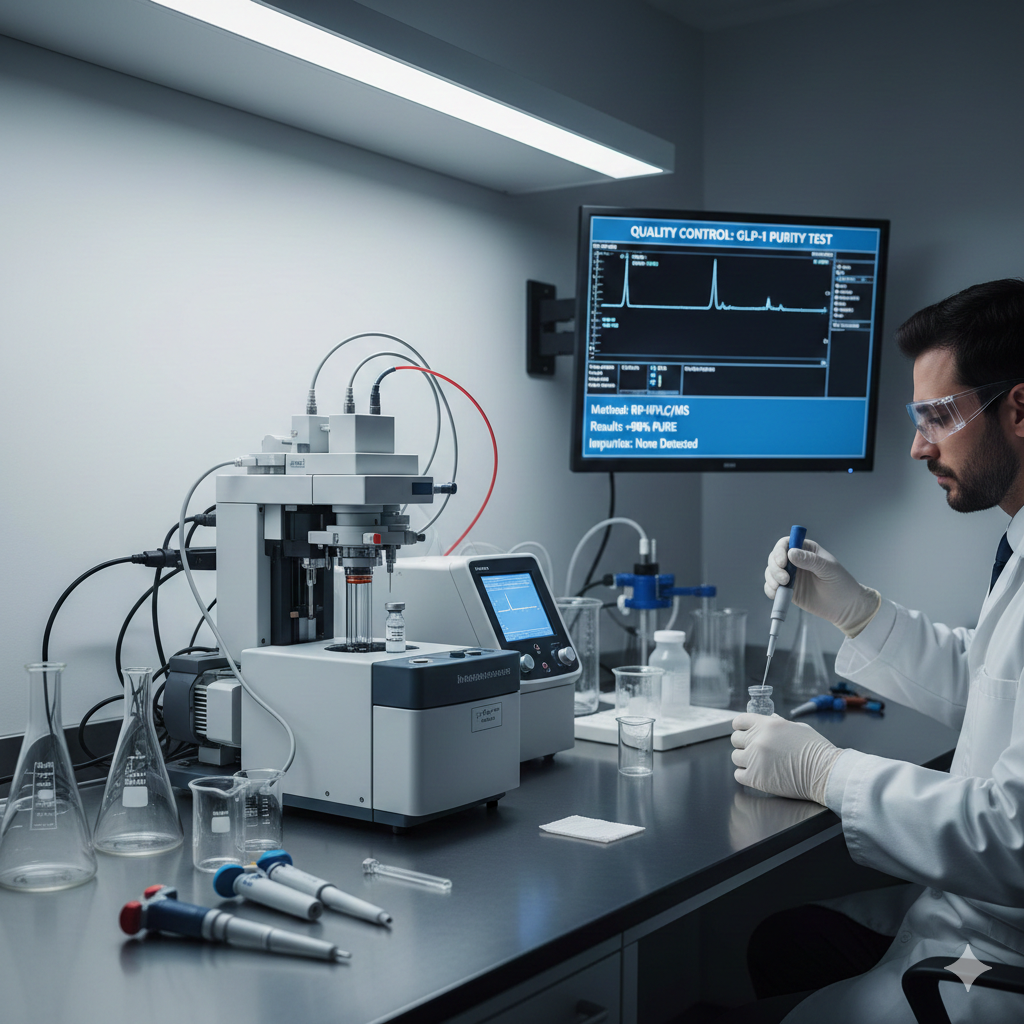
Professional peptide testing requires sophisticated analytical techniques performed in certified laboratories. HPLC peptide testing, or high-performance liquid chromatography, serves as the gold standard for separating and quantifying the target peptide from impurities. This method reveals precise peptide purity percentages by measuring the area under the peptide peak compared to impurity peaks, typically achieving detection limits in the parts-per-million range.
Mass Spectrometry Peptides Analysis
Mass spectrometry peptides analysis confirms the peptide's molecular weight and structure matches specifications with extreme precision. This technique identifies even trace contaminants by measuring exact mass-to-charge ratios. Combined with peptide sterility testing through USP standards and endotoxin assays, these methods provide comprehensive quality verification that distinguishes pharmaceutical grade peptides from lower quality alternatives.
What to Look for in Peptides Before Using Them
Visual Inspection and Peptide Certificate of Analysis
Before administering any compounded GLP-1 peptide, several visual and documentation checks can identify potential problems. The solution should be clear and free from visible particles, cloudiness, or discoloration. Any precipitation or separation suggests degradation or contamination. Most importantly, request a peptide certificate of analysis that demonstrates third-party verification of quality and purity standards.
How to Verify Peptide Authenticity Through Documentation
Learning how to verify peptide authenticity requires examining specific documentation elements. Packaging should include clear labeling with peptide name, concentration, lot number, and expiration date. Reputable suppliers provide peptide lab reports showing independent testing results for each batch. These documents prove the product has undergone rigorous analytical testing and meets pharmaceutical grade peptide specifications.
Laboratory Methods for Checking Peptide Purity
Advanced Chromatography Techniques
Several analytical techniques work together to establish peptide purity with scientific certainty. Ultra-performance liquid chromatography with photodiode array detection separates peptides based on chemical properties while measuring concentration. This method provides quantitative purity percentages and reveals both the main peptide peak and any impurity peaks, essential for compounded tirzepatide testing and compounded semaglutide testing alike.
Comprehensive Analytical Testing Panels
Mass spectrometry identifies molecules by their exact mass-to-charge ratio, confirming molecular identity and detecting even trace contaminants. Amino acid analysis verifies the peptide sequence matches expectations. Nuclear magnetic resonance spectroscopy provides detailed structural information, catching subtle molecular alterations that other methods might miss. Together, these techniques answer how to check peptide purity at the molecular level.
How to Know if Peptides are Contaminated
Laboratory Confirmation Through Peptide Batch Testing
Recognizing contamination requires both laboratory data and clinical awareness. Chemical testing provides definitive answers through standardized analytical protocols. Each peptide batch testing cycle includes endotoxin testing and microbial analysis to determine whether contamination exists and identify the specific contaminant type. This systematic approach ensures every batch meets safety standards before reaching patients.
Physical and Clinical Warning Signs
Unusual odors, unexpected colors, or visible particles indicate contamination. If refrigerated peptides develop cloudiness or crystals, degradation or bacterial growth may have occurred. Patients experiencing unexpected side effects like fever, chills, or injection site reactions beyond normal should suspect contamination and seek immediate testing to verify peptide authenticity and safety.
The Role of Third-Party Testing in Peptide Verification
Why Independent Testing Ensures Quality
Independent laboratory verification removes conflicts of interest inherent when manufacturers test their own products. Third-party testing laboratories follow standardized protocols without financial incentive to manipulate results. These facilities maintain accreditation through organizations like ISO and operate under strict quality management systems, providing objective peptide lab reports that patients can trust.
How Third-Party Labs Maintain USP 797 Compliance
They test samples blindly, meaning technicians don't know which pharmacy or manufacturer submitted the sample. This objectivity ensures results reflect actual compounding pharmacy peptide quality rather than desired outcomes. Facilities must demonstrate USP 797 compliance for sterile preparations and maintain proper environmental controls. Reputable compounding pharmacies regularly submit batches for independent testing and share these results with patients.
Reading and Understanding Certificate of Analysis Reports
Key Components of Peptide Lab Reports
A peptide certificate of analysis document contains critical information that requires careful interpretation. The header identifies the tested product, lot number, and testing date. Specification sections list acceptable ranges for each tested parameter including peptide purity percentage, endotoxin levels, and sterility results. Understanding how to read peptide COA documents empowers patients to make informed decisions about product quality.
Interpreting HPLC and Mass Spectrometry Results
Results show actual measured values alongside specifications, with clear pass or fail indicators. Look for purity percentages above 95 percent for pharmaceutical grade peptides, with premium products achieving 98 to 99 percent. Endotoxin levels should fall well below FDA limits of 5 endotoxin units per kilogram of patient body weight. The document should include testing method references for HPLC peptide testing and mass spectrometry peptides analysis, signed by qualified laboratory personnel.
Warning Signs of Low-Quality Peptide Products
Pricing and Documentation Red Flags
Several red flags indicate a peptide product may not meet quality standards. Extremely low prices compared to market rates often signal inferior raw materials or inadequate testing. Suppliers unable or unwilling to provide a peptide certificate of analysis likely skip quality verification steps. Products claiming research grade peptides status for therapeutic use indicate inappropriate quality standards, as only pharmaceutical grade peptides meet medical safety requirements.
Missing Compliance and Testing Information
Vague labeling without specific concentration information or lot numbers suggests poor manufacturing practices. Companies making exaggerated therapeutic claims without scientific backing prioritize marketing over compounding pharmacy peptide quality. Absence of USP 795 or USP 797 compliance documentation, proper storage instructions, or unrealistic shelf lives indicate insufficient stability testing during development.
How to Check Peptide Purity at Home vs Professional Testing
Home Inspection Capabilities and Limitations
While comprehensive purity testing requires professional laboratory equipment, some preliminary assessments are possible at home. Visual inspection catches obvious contamination like particles, cloudiness, or discoloration that indicate serious quality problems. Comparing product appearance to manufacturer specifications helps identify deviations from expected standards. However, these methods cannot verify peptide authenticity at the molecular level.
The Necessity of Professional Analysis
Home testing cannot detect molecular impurities, verify peptide identity through mass spectrometry peptides analysis, or measure endotoxin levels through peptide sterility testing. These critical safety parameters require specialized HPLC peptide testing equipment and trained personnel. Proper peptide batch testing with certified laboratories remains essential for compounded semaglutide testing and compounded tirzepatide testing to ensure pharmaceutical grade peptides quality standards are met.
Final Thoughts
The Critical Importance of Quality Testing
Testing compounded GLP-1 peptides for purity represents an essential step in ensuring patient safety and therapeutic effectiveness. The complexity of peptide synthesis and compounding creates multiple opportunities for contamination or quality degradation. Professional laboratory testing using validated analytical methods provides the only reliable way to verify peptide authenticity and confirm what's actually in each vial through comprehensive peptide lab reports.
Patient Empowerment Through Knowledge
Patients should demand a peptide certificate of analysis from independent laboratories and understand how to read peptide COA documents to interpret these critical results. While compounded peptides offer valuable treatment options, their benefits depend entirely on consistent pharmaceutical grade peptides quality that only rigorous testing can guarantee. Choosing suppliers committed to USP 797 compliance, transparency, and third-party verification protects both health and treatment investment.
Frequently Asked Questions
How much does it cost to test peptides for purity?
Professional peptide purity testing typically costs between $200 and $800 per sample depending on the depth of analysis required. Basic purity assessment using HPLC peptide testing might cost around $200 to $300, while comprehensive panels including mass spectrometry peptides analysis, endotoxin testing, peptide sterility testing, and heavy metal screening can reach $600 to $800. Some testing laboratories offer package deals for multiple samples or recurring customers. Individual patients rarely need to pay for testing directly since reputable compounding pharmacies include third-party testing costs in their product pricing and provide peptide lab reports as part of their quality assurance program.
What percentage purity should peptides have?
Pharmaceutical grade peptides intended for therapeutic use should demonstrate peptide purity percentages of at least 95 percent, with many high-quality products achieving 98 to 99 percent purity. Research grade peptides might have lower purity standards around 85 to 95 percent since they're not used in humans. The remaining percentage consists of related peptide sequences, residual solvents, salts, and other process impurities. For compounded semaglutide testing and compounded tirzepatide testing, purity above 97 percent indicates excellent manufacturing and purification processes. Anything below 90 percent raises serious quality concerns and may contain enough impurities to affect safety or effectiveness.
Can contaminated peptides make you sick?
Yes, contaminated peptides can cause serious health problems ranging from mild reactions to life-threatening complications. Bacterial endotoxin contamination commonly triggers fever, chills, nausea, and flu-like symptoms within hours of injection. Heavy metal contaminants accumulate over time, potentially causing neurological damage, kidney problems, or other organ toxicity. Microbial contamination with living bacteria or fungi can cause severe infections, especially at injection sites. Chemical impurities might trigger allergic reactions or interfere with the intended therapeutic effect. Even peptide-related impurities—molecules structurally similar to the target peptide—can bind to unintended receptors and cause unexpected biological effects. This is why peptide sterility testing and comprehensive peptide batch testing are essential.
How do you store peptides to maintain purity?
Proper storage is critical for maintaining peptide purity and preventing degradation. Lyophilized (freeze-dried) peptides should be stored at -20°C in a freezer until reconstitution, protected from light and moisture. Once reconstituted with sterile water or bacteriostatic water, peptides must be refrigerated at 2-8°C and used within the timeframe specified by the manufacturer, typically 28 to 30 days. Never freeze reconstituted peptides as ice crystal formation damages the molecular structure. Store vials upright to minimize contact between peptide solution and rubber stoppers. Avoid repeated temperature fluctuations, and always use proper sterile technique when drawing doses to prevent bacterial contamination that would be detected through peptide sterility testing.
What is the difference between pharmaceutical grade and research grade peptides?
Pharmaceutical grade peptides meet stringent quality standards required for human therapeutic use, typically achieving peptide purity percentages above 97 percent with comprehensive testing including HPLC peptide testing, mass spectrometry peptides analysis, endotoxin testing, and peptide sterility testing. These products come with detailed peptide lab reports and a peptide certificate of analysis demonstrating USP 797 or USP 795 compliance. Research grade peptides have lower purity standards around 85 to 95 percent and are intended only for laboratory research, not human consumption. They undergo less rigorous testing and lack the documentation required for medical use. For compounded semaglutide testing or compounded tirzepatide testing, only pharmaceutical grade peptides should be considered acceptable for patient safety.