-
Understanding Peptide Testing and Why It Matters
-
The Reality of At-Home Peptide Testing
-
What Professional Laboratory Testing Actually Reveals
-
How to Test Peptides for Purity and Contamination
-
How to Tell if Peptides Are Fake or Counterfeit
-
Visual Inspection Methods and Their Limitations
-
What to Look for in Peptides Before Using Them
-
Understanding Peptide Degradation and Storage
-
How to Know if Peptides Are Contaminated
-
Third Party Peptide Testing and Why It Protects You
-
How to Read Peptide Test Results and COA Reports
-
Peptide Testing Cost and Finding the Best Testing Lab
-
Making Informed Decisions About Peptide Quality
-
Final Thoughts on Peptide Testing
-
Frequently Asked Questions
Understanding Peptide Testing and Why It Matters
The Growing Need for Peptide Verification
When researchers and practitioners order peptides for their work, they're making a significant investment in both money and trust. The peptide industry has grown exponentially over recent years, bringing with it both reputable suppliers and questionable vendors. This growth has created an urgent need for reliable testing methods to verify what you're actually receiving matches what you paid for.
Can You Really Test Peptides at Home?
The question of whether you can test peptides without a lab is one that many people ask when they first encounter concerns about product quality. The short answer is that while some preliminary observations can be made at home, comprehensive peptide testing absolutely requires professional laboratory equipment and expertise. Understanding this distinction can save you from costly mistakes and potential safety issues.
The Reality of At-Home Peptide Testing
Why Peptide Purity Test Kits Don't Work
Many people wonder if there are simple tests they can perform at home to verify their peptides. The internet is filled with suggestions ranging from visual inspection to taste tests, and some vendors even market peptide purity test kits. However, the reality is far more complex. Peptides are sophisticated molecules that require advanced analytical techniques to properly evaluate. What you can see with your eyes or detect with basic tools represents only a tiny fraction of the information needed to confirm quality.
The Dangers of Relying on Visual Assessment
Home testing methods cannot detect the presence of harmful contaminants, verify molecular structure, or confirm actual peptide content. These limitations mean that relying solely on at-home observations puts you at significant risk. While preliminary checks have their place, they should never replace proper laboratory analysis when you're dealing with substances that will be used for research or personal applications. Understanding how to verify peptide quality requires professional peptide lab testing services.
What Professional Laboratory Testing Actually Reveals
HPLC Peptide Testing and Mass Spectrometry
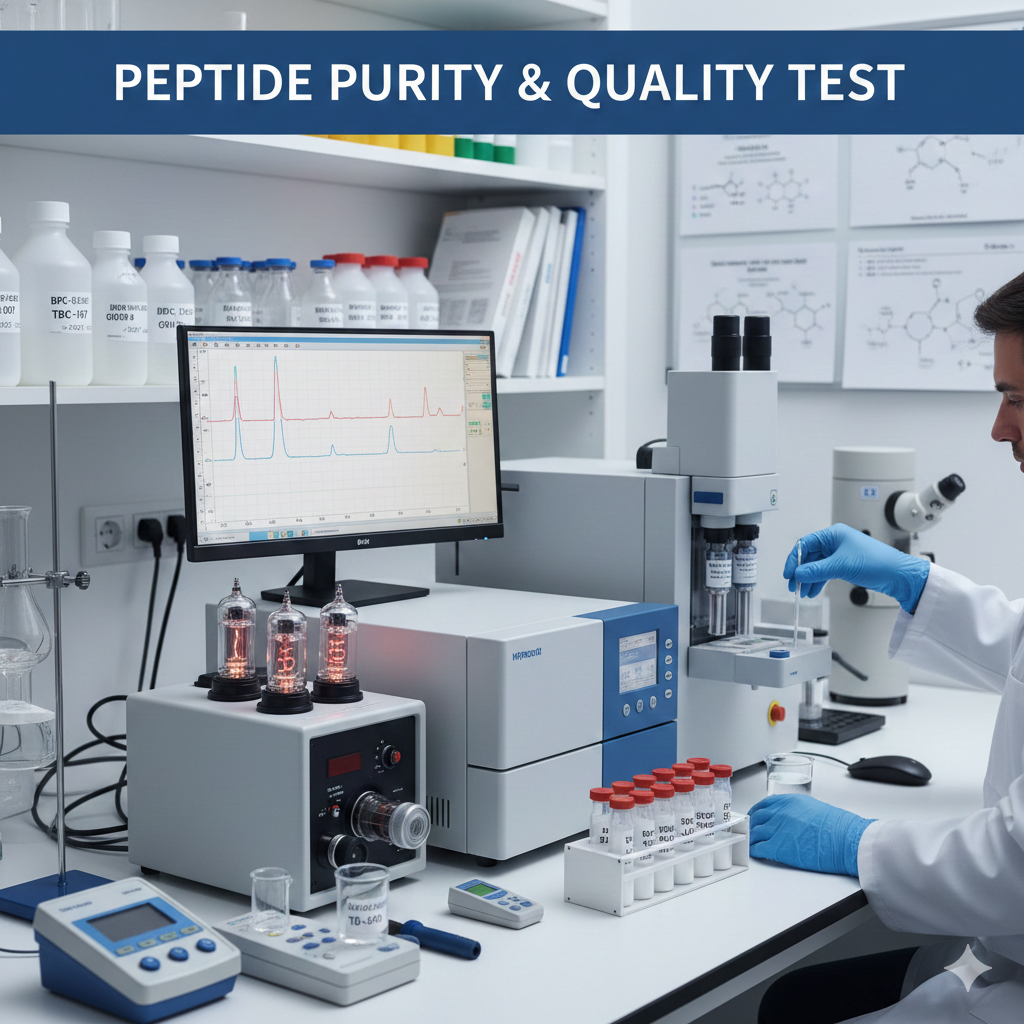
Professional peptide testing laboratories use sophisticated equipment that can identify and quantify exactly what's in your vial. High-performance liquid chromatography, commonly known as HPLC peptide testing, separates components in your sample to measure purity levels with extreme precision. Mass spectrometry and other analytical methods provide detailed information about peptide molecular weight and the presence of any contaminants. These tests can detect issues that are completely invisible to the naked eye and impossible to identify through simple observation.
The Comprehensive Data You Receive
When you submit peptides for professional testing, laboratories can determine the exact percentage of the target peptide present, identify degradation products, detect bacterial endotoxins through peptide sterility testing, and verify that the molecular structure matches what it should be. Peptide heavy metal testing screens for toxic elements that can accumulate in synthesis. This level of detail is essential for anyone who takes their research or health seriously. The data provided by professional testing gives you concrete evidence about what you're working with rather than relying on assumptions or vendor claims.
How to Test Peptides for Purity and Contamination
Understanding What Peptide Purity Really Means
Testing peptides for purity requires understanding what purity actually means in this context. Peptide purity refers to the percentage of the desired peptide present in a sample compared to other substances. A peptide listed as ninety-eight percent pure should contain ninety-eight percent of the target molecule and only two percent of other materials. However, that remaining two percent could include anything from harmless byproducts to potentially dangerous contaminants.
Screening for Hidden Contaminants
Contamination testing goes beyond simple purity analysis to identify specific harmful substances. Bacterial endotoxins, heavy metals, residual solvents from synthesis, and other peptides are common contaminants that require specialized testing protocols to detect. Professional laboratories employ multiple testing methodologies to screen for these various contamination types, providing a comprehensive safety profile for your peptide sample.
How to Tell if Peptides Are Fake or Counterfeit
Common Signs of Counterfeit Peptides
Learning how to tell if peptides are fake is essential in an industry where counterfeit products are unfortunately common. Fake peptides often come from vendors who provide no verifiable certificates of analysis, offer prices significantly below market rates, or make exaggerated claims about purity without supporting documentation. Counterfeit sellers frequently use stock photos, have unprofessional websites, and cannot provide batch-specific testing results when requested. These red flags should immediately raise concerns about product authenticity.
The Only Definitive Method for Detection
The reality is that sophisticated counterfeits can fool even experienced buyers through visual inspection alone. The only reliable way to confirm peptide authenticity is through independent laboratory testing that verifies molecular structure and composition. Many counterfeit peptides contain either no active ingredient, incorrect peptides, or dangerous substitutes that can only be detected through advanced analytical methods. This is why choosing the best peptide testing lab for verification is crucial before using any product from a new supplier.
Visual Inspection Methods and Their Limitations
What You Can See With Your Eyes
While visual inspection cannot replace laboratory testing, it can provide initial clues about potential problems with your peptides. Examining the appearance of lyophilized peptide powder can reveal obvious issues like discoloration, clumping, or moisture contamination. High-quality peptides typically appear as white or off-white powder with a uniform consistency, though some peptides naturally have different colors. This basic check is part of learning how to verify peptide quality before investing in comprehensive testing.
What Remains Invisible Without Testing
However, what looks perfect to the eye might still be heavily contaminated or significantly underdosed. Peptides can appear pristine while containing bacterial endotoxins, wrong amino acid sequences, or significantly lower amounts of the active compound than advertised. When people ask how to tell if peptides are fake, the unfortunate truth is that visual inspection alone cannot provide this answer. This is why visual inspection should only serve as a preliminary screening step, never as a final determination of quality. Even experienced researchers cannot reliably assess peptide quality through observation alone.
What to Look for in Peptides Before Using Them
Certificates of Analysis and Peptide COA Testing
Before considering any peptide for use, you should examine several key factors that indicate quality and reliability. The first consideration should always be whether the vendor provides certificates of analysis from independent laboratories. Reputable suppliers offer third-party testing results that verify peptide identity, purity, and contamination screening through peptide COA testing. These documents should be recent, specific to the batch you're receiving, and issued by recognized peptide testing companies. Look for COA reports that include HPLC results, mass spectrometry data, and endotoxin screening.
Proper Packaging and Storage Indicators
Storage and handling also provide important clues about peptide quality. Peptides should arrive properly packaged with appropriate cooling measures if required. The vial should be sealed correctly, labeled clearly with batch numbers and storage instructions, and show no signs of tampering or damage. Additionally, responsible vendors provide detailed information about proper reconstitution, storage temperatures, and expected shelf life for their products. These details help with peptide authenticity testing and ensure you're working with legitimate compounds.
Understanding Peptide Degradation and Storage
How Peptides Break Down Over Time
Peptide degradation is a natural process that begins the moment a peptide is synthesized. Temperature, light exposure, pH levels, and time all contribute to the breakdown of peptide molecules into smaller fragments or chemically altered versions. This degradation can significantly impact both the effectiveness and safety of peptides. Understanding how to recognize and prevent degradation is crucial for anyone working with these compounds.
Best Practices for Maintaining Peptide Quality
Proper storage dramatically extends peptide stability and maintains quality over time. Lyophilized peptides generally remain stable for extended periods when stored at appropriate temperatures, typically between negative twenty and negative eighty degrees Celsius. Once reconstituted, peptides become much more susceptible to degradation and usually must be refrigerated and used within a specific timeframe. Signs of degradation include changes in color, clarity, or consistency of reconstituted solutions.
How to Know if Peptides Are Contaminated
Warning Signs You Might Notice
Identifying contaminated peptides without laboratory testing is nearly impossible because most contaminants are invisible and odorless at the concentrations present in peptide vials. However, certain warning signs might indicate problems. Unusual colors, particularly yellowing or browning of peptides that should be white, can suggest oxidation or bacterial contamination. Reconstituted peptides that appear cloudy or develop precipitates might indicate contamination or improper storage.
The Only Reliable Detection Method
The most reliable way to know if peptides are contaminated is through professional laboratory testing that specifically screens for common contaminants. Endotoxin testing, sterility testing, and heavy metal analysis are standard components of comprehensive peptide testing. These tests identify specific threats that could cause serious adverse reactions. Without this testing, you're essentially hoping that your vendor has adequate quality control measures in place.
Why Third-Party Testing Protects Your Investment
How to Read Peptide Test Results and COA Reports
Decoding Your Certificate of Analysis
Understanding how to read peptide test results is essential for making informed decisions about product quality. A certificate of analysis typically includes several key sections that provide comprehensive information about your peptide. The HPLC chromatogram shows peaks representing different compounds in your sample, with the target peptide typically appearing as the largest peak. The area under this peak, expressed as a percentage, indicates purity level. Mass spectrometry results confirm the molecular weight matches the expected value for your specific peptide.
Critical Data Points to Examine
Beyond basic purity measurements, COA reports should include endotoxin levels measured in endotoxin units per milligram, showing whether bacterial contamination is present. Heavy metal screening results indicate the presence of toxic elements like lead, mercury, or arsenic. Residual solvent analysis checks for chemicals used during synthesis that should have been removed. Each of these data points contributes to the overall safety and quality profile. Reputable peptide testing companies provide detailed explanations of what each test means and what acceptable ranges should be for different applications.
Third Party Peptide Testing and Why It Protects You
The Value of Independent Verification
Third party peptide testing serves as an independent verification system that removes conflicts of interest from quality assessment. When vendors test their own products, there's an inherent incentive to present favorable results. Independent laboratories have no stake in whether results are positive or negative, providing unbiased data about what's actually in your peptide vial. This objectivity is invaluable for making informed decisions about vendor trustworthiness and product safety.
Building Long-Term Quality Assurance
Beyond verifying current purchases, regular third-party testing also helps you evaluate vendor reliability over time. By testing multiple orders from the same supplier, you can identify consistency patterns or spot quality drift that might indicate manufacturing changes. Some researchers test every batch they receive, while others periodically verify their regular suppliers. Either approach provides crucial data that protects you from receiving substandard or dangerous products and helps you identify the best sources for your needs.
How to Check Peptide Purity Through Professional Services
Understanding How Much Peptide Testing Costs
One of the most common questions people have is how much does peptide testing cost when considering independent verification. Peptide testing cost varies depending on the comprehensiveness of analysis required. Basic purity testing using HPLC typically ranges from fifty to one hundred fifty dollars per sample. More comprehensive panels that include mass spectrometry, endotoxin testing, heavy metal screening, and sterility testing can cost between two hundred and four hundred dollars. While this might seem expensive, it represents a small fraction of what you invest in peptides over time.
Choosing the Right Testing Service
When evaluating the best peptide testing lab for your needs, consider factors beyond just price. Turnaround time matters if you need results quickly before starting a research protocol. Accreditation and equipment quality ensure accurate results you can trust. Customer service and clear reporting help you understand what the data means. Some peptide testing companies offer volume discounts for regular customers or package deals that include multiple testing types. Searching for peptide testing near me might reveal local options, though many reputable labs accept mail-in samples from anywhere, making location less critical than quality and reliability.
How to Check Peptide Purity Through Professional Services
Selecting the Best Peptide Testing Lab
Checking peptide purity through professional services begins with finding the best peptide testing lab that specializes in peptide analysis. When searching for peptide testing near me or evaluating peptide testing companies, look for laboratories with accredited equipment, experienced analysts, and transparent processes. Companies like Optima Labs offer comprehensive testing services designed specifically for peptide verification. The process typically involves submitting a small sample of your peptide along with information about what you believe it should be. The laboratory then performs multiple analytical tests to determine actual composition.
Understanding Your Test Results
The testing process usually includes high-performance liquid chromatography to separate and quantify different components in your sample. Mass spectrometry confirms the molecular weight and structure of peptides present. These techniques together provide a detailed purity profile showing exactly what percentage of your sample is the target peptide versus other substances. Learning how to read peptide test results helps you interpret the data and make informed decisions about whether the product meets your standards.
Making Informed Decisions About Peptide Quality
Setting Your Quality Standards
Armed with proper testing data, you can make informed decisions about which peptide vendors deserve your business and which products meet your quality standards. Establishing minimum acceptable purity levels for your work helps create clear benchmarks for evaluation. Many researchers won't accept peptides below ninety-five percent purity for serious applications, though requirements vary based on intended use.
Maintaining Vendor Accountability
Building relationships with vendors who consistently provide high-quality products verified through testing creates a foundation of trust and reliability. However, even trusted vendors should be periodically verified through independent testing. Market conditions change, manufacturing processes evolve, and quality can drift over time. Regular testing ensures that the peptides you're using continue to meet your standards regardless of vendor claims.
Final Thoughts on Peptide Testing
The Clear Answer to At-Home Testing
The question of whether you can test peptides without a lab has a clear answer: meaningful testing requires professional laboratory capabilities. While preliminary observations and vendor certifications provide some information, only independent laboratory analysis can definitively confirm peptide identity, purity, and safety. The investment in professional testing is minimal compared to the risks of using untested or poorly tested peptides.
Taking Control of Your Peptide Quality
As the peptide industry continues to expand, the importance of rigorous testing grows alongside it. Whether you're conducting research, exploring therapeutic applications, or simply want assurance about product quality, professional peptide testing provides the certainty you need. Services like those offered at optimalabs.org make it easier than ever to verify exactly what you're receiving and ensure that your peptides meet the highest standards of quality and safety.
Frequently Asked Questions
Can you test peptide quality at home?
You cannot accurately test peptide quality at home with reliable results. While you can perform basic visual inspections to check for obvious problems like discoloration or contamination, determining actual peptide purity, verifying molecular structure, and detecting harmful contaminants requires sophisticated laboratory equipment such as HPLC and mass spectrometry. Home testing methods cannot provide the detailed chemical analysis necessary to confirm you have a safe and effective product.
How do you know if peptides are real?
The only reliable way to know if peptides are real is through professional laboratory testing that confirms molecular structure and identity. Reputable vendors provide certificates of analysis from third-party laboratories showing HPLC and mass spectrometry results. These tests verify that the peptide's molecular weight matches expectations and that the amino acid sequence is correct. Visual inspection or simple tests cannot definitively prove peptide authenticity.
What percentage purity should peptides be?
Peptides should generally be at least ninety-five percent pure for most research and therapeutic applications, though higher purity is often preferable. Some specialized applications require ninety-eight percent or greater purity. The acceptable purity level depends on your intended use and tolerance for impurities. Lower purity peptides may contain synthesis byproducts, degradation products, or other peptides that could affect results or safety.
How long do peptides stay good for?
Lyophilized peptides stored properly at negative twenty degrees Celsius or colder typically remain stable for one to two years or longer, depending on the specific peptide. Once reconstituted with bacteriostatic water, most peptides remain stable for several weeks when refrigerated, though some may degrade faster. Factors affecting stability include storage temperature, pH, light exposure, and the specific peptide structure. Always check manufacturer guidelines for specific peptides.
Can contaminated peptides make you sick?
Contaminated peptides can absolutely make you sick, potentially causing serious adverse reactions. Bacterial endotoxins can trigger fever, inflammation, and immune responses. Heavy metal contamination may cause toxicity with repeated exposure. Improperly synthesized or degraded peptides might produce unexpected biological effects. This is why professional testing for both purity and specific contaminants through peptide sterility testing and peptide heavy metal testing is essential before using any peptide.
What does high-quality peptide look like?
High-quality lyophilized peptide typically appears as a white or off-white powder with uniform consistency, though some peptides naturally have slight coloration. The powder should be dry without clumping or caking. However, appearance alone cannot confirm quality since contaminated or underdosed peptides may look identical to pure ones. Understanding how to verify peptide quality requires professional laboratory testing, as visual inspection cannot detect molecular structure, purity percentage, or invisible contaminants.
How do I know if my peptide supplier is trustworthy?
Trustworthy peptide suppliers consistently provide batch-specific certificates of analysis from independent laboratories, not just generic testing reports. They should offer transparency about their synthesis methods, storage conditions, and quality control processes. Look for suppliers who can answer technical questions knowledgeably and provide detailed product information. The best approach is verifying vendor claims through third party peptide testing rather than relying solely on vendor-provided documentation. Periodic testing of products from even trusted suppliers ensures ongoing quality consistency.
How much does it cost to test peptides?
Peptide testing cost depends on which tests you need performed. Basic HPLC purity testing typically costs between fifty and one hundred fifty dollars per sample. Comprehensive testing that includes mass spectrometry verification, endotoxin screening, heavy metal analysis, and sterility testing usually ranges from two hundred to four hundred dollars. Some peptide testing companies offer package deals or volume discounts for regular customers. While this investment might seem significant, it's minimal compared to the cost of using contaminated or fake peptides that could be ineffective or dangerous.
Where can I find peptide testing near me?
While searching for peptide testing near me is common, location is less important than quality when choosing a testing laboratory. Most reputable peptide testing companies accept mail-in samples from anywhere in the country or internationally. However, if you prefer local options, search for analytical chemistry laboratories, compounding pharmacy testing services, or research institutions in your area that offer peptide analysis. The best peptide testing lab for your needs will have proper accreditation, modern equipment like HPLC and mass spectrometry, and clear communication regardless of physical location.