Table of Contents
-
Understanding Peptide Dosing Fundamentals
-
The Hidden Dangers of Incorrect Reconstitution
-
How to Test Peptides Before Starting Your Protocol
-
What to Look for in Peptides When Evaluating Quality
-
Measuring Mistakes That Compromise Results
-
How to Know if Peptides Are Contaminated
-
Storage Errors That Destroy Peptide Integrity
-
How to Check Peptide Purity Through Laboratory Testing
-
Timing and Frequency Errors in Administration
-
The Role of Third-Party Verification
-
Documentation and Tracking Best Practices
-
Final Thoughts
-
Frequently Asked Questions
Understanding Peptide Dosing Fundamentals
The Basics of Concentration Calculations
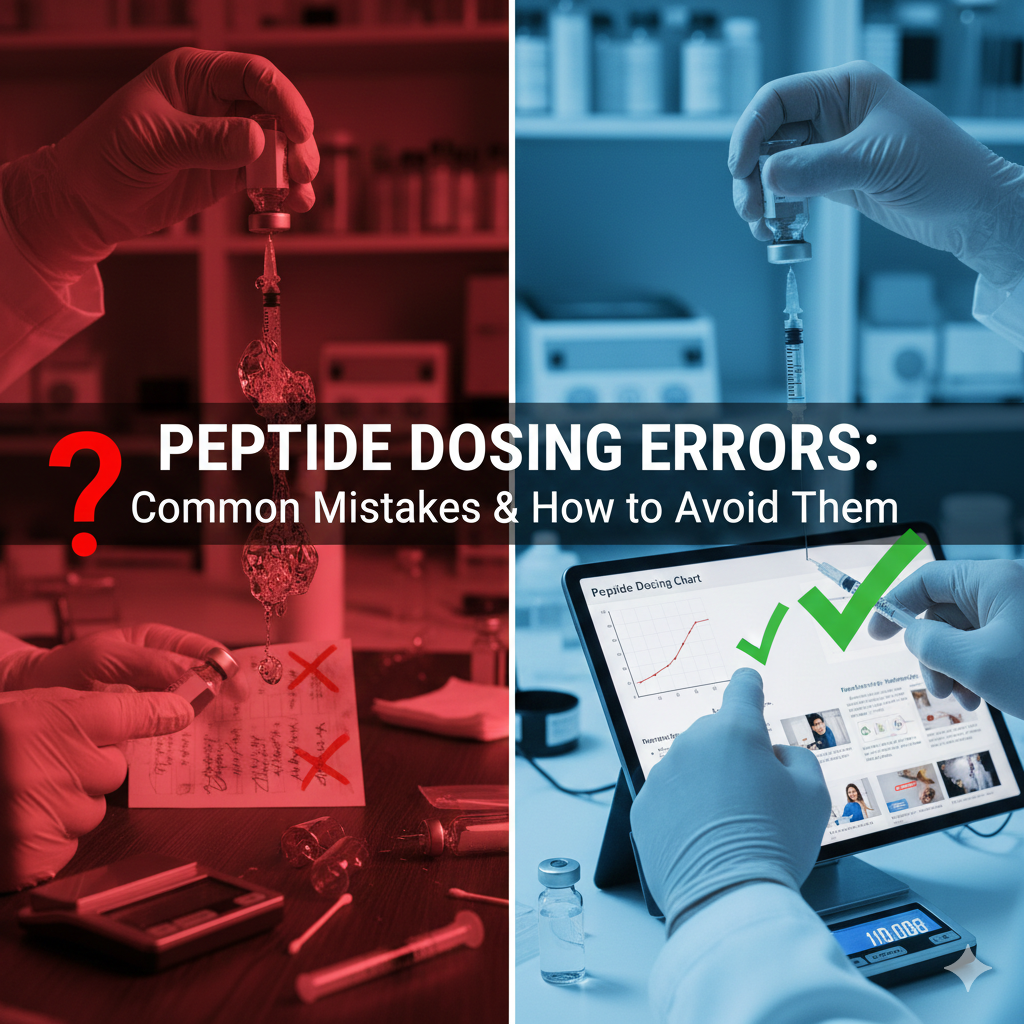
Peptide therapy has gained tremendous popularity in recent years, but the complexity of proper dosing often leads to critical errors that undermine results or create safety concerns. Unlike conventional medications that come in pre-measured tablets, peptides require careful reconstitution, precise measurement, and proper handling throughout the entire process. Many users make their first mistake before they even open the vial by failing to understand the concentration calculations necessary for accurate dosing.
Why Mathematical Precision Matters
The foundation of proper peptide dosing begins with understanding the relationship between the lyophilized powder you receive and the bacteriostatic water used for reconstitution. A seemingly simple mathematical error at this stage can result in administering double or half your intended dose. Using a peptide dosage calculator helps eliminate these mistakes by accurately computing how much bacteriostatic water to mix with peptides for your desired concentration. This becomes particularly problematic when working with potent research peptides where the therapeutic window between effective and excessive dosing can be narrow.
The Hidden Dangers of Incorrect Reconstitution
Common Reconstitution Mistakes to Avoid
Learning how to reconstitute peptides correctly represents the critical first step where most dosing errors originate. The process of mixing bacteriostatic water with lyophilized peptide powder requires precision that many underestimate. Adding too much or too little water changes the concentration entirely, making every subsequent dose inaccurate regardless of how carefully you measure later. A peptide reconstitution calculator proves invaluable for determining exactly how much bacteriostatic water to mix with peptides based on your vial size and target dose.
Proper Peptide Vial Preparation Techniques
Common mistakes during peptide vial preparation include using tap water instead of bacteriostatic water, injecting the water too forcefully and damaging the peptide structure, or failing to follow sterile technique for peptides. The temperature during reconstitution also matters significantly. Room temperature bacteriostatic water works best, as cold water can slow dissolution and create uneven concentration throughout the vial. Many users rush this process, shaking the vial vigorously rather than gently swirling it to mix the contents. This aggressive mixing can denature the delicate peptide chains, rendering your product less effective before you even administer the first dose.
How to Test Peptides Before Starting Your Protocol
Laboratory Testing Methods Explained
Before investing weeks or months into a peptide protocol, verifying what you actually received should be non-negotiable. Testing peptides through third-party laboratory analysis provides concrete data about purity, concentration, and the presence of contaminants. Mass spectrometry and high-performance liquid chromatography remain the gold standards for peptide verification, offering detailed breakdowns of exactly what compounds exist in your vial and in what quantities.
Independent Verification vs Supplier Certificates
Many suppliers provide certificates of analysis, but these documents only hold value when issued by independent laboratories rather than in-house testing facilities. Sending a sample to an accredited testing service like Optima Labs allows you to confirm the stated peptide concentration matches reality. This verification step prevents months of wasted effort with underdosed products or exposure to potentially harmful substances mixed into substandard preparations. The small upfront investment in testing saves considerable money and health risks down the line.
What to Look for in Peptides When Evaluating Quality
Visual Inspection Before Reconstitution
Visual inspection provides your first line of defense against problematic peptides, though it cannot replace laboratory testing. Quality lyophilized peptides typically appear as white or off-white powder with a uniform consistency. Recognizing signs of peptide degradation early proves essential, including discoloration, clumping, or moisture inside the vial before reconstitution. The vacuum seal should be intact, pulling the rubber stopper inward slightly. A loose stopper or absence of vacuum suggests the vial was compromised during shipping or storage.
Checking Quality After Mixing
After reconstitution, the solution should be clear without cloudiness, particles, or floating debris. Any visible contamination indicates you should discard the product immediately rather than risk injection. The texture of the powder before mixing also matters. Peptides that have been freeze-dried properly create a light, fluffy cake that dissolves easily when you follow proper techniques for how to reconstitute peptides. Dense, hard chunks or oily residue point to improper manufacturing or storage conditions that likely damaged the peptide chains beyond usefulness.
Measuring Mistakes That Compromise Results
Understanding Insulin Syringe Units to ML Conversions
Even with perfectly reconstituted peptides, measuring errors frequently sabotage results. Understanding insulin syringe units to ml conversions prevents one of the most common dosing mistakes. Insulin syringes marked in units rather than milliliters confuse many users who miscalculate their dose conversions. A common error involves confusing the 100-unit insulin syringe with a 50-unit syringe, leading to double the intended dose. Understanding that 1ml equals 100 units on a standard insulin syringe prevents this dangerous mistake, but many users never learn this fundamental conversion.
Preventing Air Bubbles and Injection Errors
Drawing air bubbles into the syringe represents another measurement error that reduces your actual peptide dose. Those small bubbles displace liquid, meaning the amount you inject contains less peptide than you calculated. Experienced users tap the syringe barrel and push bubbles out before administration, ensuring the full intended dose reaches the injection site. Inconsistent injection sites and depths also affect absorption rates, creating variability that makes it difficult to assess whether your dosing protocol is actually working as intended.
How to Know if Peptides Are Contaminated
Signs of Bacterial Contamination
Contamination in peptides manifests through various warning signs that demand immediate attention. Bacterial contamination in reconstituted peptides often produces cloudiness, color changes, or visible particles within days of mixing. If your bacteriostatic water was contaminated before reconstitution or if you introduced bacteria during the mixing process by not following proper sterile technique for peptides, you'll typically see these visual changes relatively quickly. Any peptide solution showing these signs must be discarded regardless of cost.
Chemical Contamination Warning Signs
Chemical contamination proves harder to detect without laboratory testing but may cause unusual reactions when administered. Unexpected inflammation, prolonged redness at injection sites, or systemic symptoms like nausea or headaches shortly after injection can indicate contamination with harmful substances. Heavy metals, residual solvents from manufacturing, or other peptides mixed into your product create health risks that visual inspection cannot detect. This reality underscores why third-party testing before starting any protocol protects both your investment and your wellbeing.
Storage Errors That Destroy Peptide Integrity
Proper Temperature Control for Lyophilized Peptides
Temperature control throughout a peptide's lifecycle determines whether it remains potent or degrades into useless fragments. Lyophilized peptides generally maintain stability at room temperature for short periods, but long-term storage requires refrigeration between 2-8°C or freezing at -20°C for extended preservation. Many users make the critical error of storing peptides in bathroom medicine cabinets where temperature and humidity fluctuate wildly, accelerating degradation significantly.
How Long Do Peptides Last After Reconstitution
Once reconstituted, peptides become far more fragile and temperature-sensitive. Understanding how long do peptides last after reconstitution helps prevent using expired products. Most reconstituted peptides require refrigeration and use within 30 days, though this varies by specific peptide. Freezing reconstituted peptides typically destroys their structure and effectiveness, yet some users attempt this thinking it extends shelf life. Understanding the impact of freeze thaw cycles peptides experience helps avoid this mistake. Light exposure also degrades many peptides, making amber vials or storage in dark places essential.
How to Check Peptide Purity Through Laboratory Testing
High-Performance Liquid Chromatography Analysis
Laboratory testing for peptide purity involves sophisticated analytical techniques that quantify exactly what you received. High-performance liquid chromatography separates the compounds in your sample, allowing technicians to identify and measure each component. The resulting chromatogram shows peaks representing different substances, with the height and area of each peak indicating concentration. A pure peptide sample shows one dominant peak corresponding to your target compound with minimal additional peaks from impurities.
Mass Spectrometry for Molecular Verification
Mass spectrometry complements HPLC by determining the molecular weight of compounds present in your sample. This technique confirms the identity of the peptide based on its exact mass and can detect even small amounts of contaminating substances. Reputable testing laboratories like Optima Labs combine multiple analytical methods to provide comprehensive purity reports. These reports typically show purity percentages, identify any contaminants detected, and confirm whether the concentration matches what the supplier claimed. Purity above 98% generally indicates pharmaceutical-grade quality suitable for research purposes.
Timing and Frequency Errors in Administration
Optimal Timing for Different Peptide Types
The timing and frequency of peptide administration significantly impact results, yet many users approach this aspect haphazardly. Some peptides work best on an empty stomach while others require food for optimal absorption. Growth hormone-releasing peptides, for example, demonstrate enhanced effectiveness when administered before meals or before sleep when natural growth hormone pulses occur. Taking these peptides at random times throughout the day diminishes their impact considerably.
Avoiding Frequency Mistakes
Frequency mistakes often stem from impatience or misunderstanding of how peptides work. Doubling up on doses to accelerate results typically just increases side effects without proportional benefits. Most peptides require consistent daily administration over weeks or months to produce noticeable effects. Skipping doses or taking them irregularly creates inconsistent blood levels that prevent the cumulative benefits from building. Establishing a routine tied to daily habits like morning coffee or evening routines helps maintain the consistency necessary for optimal outcomes.
The Role of Third-Party Verification
Why Independent Testing Matters
Independent laboratory verification removes the guesswork from peptide quality assessment. While supplier-provided certificates of analysis offer some information, independent testing eliminates conflicts of interest that might influence results. Third-party laboratories have no financial incentive to report favorable results, providing objective data about what actually exists in your vial. This transparency proves especially valuable when dealing with new suppliers or products where you lack previous experience.
The Testing Process Simplified
The verification process involves sending a small sample of your peptide to an accredited testing facility that specializes in peptide analysis. These laboratories employ trained scientists using calibrated equipment to generate detailed reports about purity, concentration, and contamination. Services like those offered through Optima Labs make this process straightforward, providing clear instructions for sample submission and delivering comprehensive reports within days. The peace of mind from knowing exactly what you're administering justifies the testing cost many times over.
Documentation and Tracking Best Practices
Essential Records to Maintain
Maintaining detailed records of your peptide protocol enables you to identify what works and troubleshoot problems when they arise. Documentation should include the supplier, batch number, reconstitution date, storage conditions, dose amounts, timing, and any effects noticed. This information becomes invaluable when trying to replicate successful protocols or when investigating unexpected results. Many users skip this step initially and later regret having no reference point when comparing different products or adjusting doses.
Visual Documentation and Organization
Photographing vials before and after reconstitution creates visual documentation that can reveal signs of peptide degradation or contamination over time. Dating each vial clearly prevents accidentally using expired peptides that have lost potency. Tracking injection sites helps rotate locations properly to prevent scar tissue buildup that impairs absorption. Digital spreadsheets or dedicated apps make this documentation process easier, though even simple handwritten notes prove better than no records at all. The patterns that emerge from consistent tracking often reveal insights that would otherwise remain hidden.
Final Thoughts
Avoiding peptide dosing errors requires attention to detail at every stage from initial purchase through final administration. The compounding nature of these mistakes means a small error early in the process cascades into larger problems that undermine your entire protocol. Investing time in learning proper reconstitution techniques, calculation methods using a peptide reconstitution calculator, and storage practices prevents the frustration of wasted money and effort on ineffective protocols. Laboratory testing through independent services provides the verification necessary to ensure you're working with quality products worth your investment.
The difference between successful peptide protocols and disappointing results often comes down to these fundamental practices rather than the specific peptides chosen. Users who treat peptide handling with the precision it requires consistently achieve better outcomes than those who take shortcuts or ignore best practices. Understanding how much bacteriostatic water to mix with peptides, recognizing signs of peptide degradation, and following proper sterile technique for peptides distinguishes informed consumers from those who struggle with inconsistent results.
Frequently Asked Questions
How long are peptides good for after reconstitution?
Most reconstituted peptides remain stable for 30 days when stored properly in a refrigerator at 2-8°C. Some peptides maintain potency for shorter periods while others last slightly longer, depending on their specific chemical structure. Bacteriostatic water contains benzyl alcohol that inhibits bacterial growth, extending the usable life of reconstituted peptides beyond what sterile water would allow. Always write the reconstitution date on your vial and discard any peptide solution that shows cloudiness, discoloration, or particles regardless of how long it has been stored. Freezing reconstituted peptides to extend shelf life typically damages the peptide structure and should be avoided.
What happens if you inject too much peptide?
Injecting excessive peptide doses increases the likelihood and severity of side effects specific to that particular peptide. Common reactions to overdosing include injection site reactions, headaches, nausea, flushing, or water retention depending on the peptide type. Growth hormone-releasing peptides at excessive doses may cause extreme hunger, numbness, or tingling sensations. Most peptide overdoses resolve on their own as the body metabolizes the excess, but severe reactions warrant medical attention. The therapeutic window for peptides varies significantly, with some having wide safety margins and others requiring precise dosing to avoid problems. This variability makes accurate dosing essential rather than optional.
How can you tell if peptides are fake?
Fake or counterfeit peptides can only be definitively identified through laboratory testing using mass spectrometry and HPLC analysis. Visual inspection provides limited information, as fake products often look identical to legitimate ones. However, certain warning signs suggest potential counterfeits including prices significantly below market rates, suppliers without verifiable business information, lack of batch numbers or manufacturing dates, and absence of proper vacuum seals on vials. The most reliable approach involves purchasing from established suppliers and then verifying your product through independent laboratory testing before beginning your protocol. Services specializing in peptide verification can confirm both identity and purity within days.
Do peptides need to be refrigerated before reconstitution?
Lyophilized peptides in powder form generally remain stable at room temperature for short periods, though refrigeration at 2-8°C extends their shelf life significantly. For long-term storage exceeding several months, freezing lyophilized peptides at -20°C provides optimal preservation. The stability of unreconstituted peptides varies by specific compound, with some remaining viable at room temperature for weeks while others degrade more quickly. Manufacturers typically ship peptides with ice packs to minimize heat exposure during transit. Once you receive lyophilized peptides, refrigerating or freezing them until ready for use represents the safest approach for maintaining full potency.
Can contaminated peptides make you sick?
Contaminated peptides can absolutely cause illness ranging from local infections to serious systemic reactions. Bacterial contamination in reconstituted peptides leads to infections at injection sites, potentially spreading to surrounding tissue or bloodstream if not addressed. Chemical contaminants like heavy metals or residual solvents from improper manufacturing may cause various toxic effects depending on the specific substance and amount present. Endotoxins from bacterial cell walls can trigger fever, inflammation, and flu-like symptoms even after the bacteria themselves are no longer viable. Some users report severe allergic reactions to contaminating proteins or other peptides mixed into their product. Any unusual symptoms following peptide administration warrant immediate discontinuation and medical evaluation.