Table of Contents
-
Understanding Peptide Sterility and Why It Matters
-
What Are USP Standards for Peptide Testing
-
How to Know If Peptides Are Contaminated
-
The Science Behind Sterility Testing Methods
-
How to Test Peptides for Bacterial Contamination
-
Research Grade vs GMP Grade Peptides: Testing Differences
-
What to Look for in Peptides When Evaluating Quality
-
How to Read a Peptide Certificate of Analysis
-
USP <71> Sterility Tests: The Gold Standard
-
How to Check Peptide Purity Alongside Sterility
-
Common Contamination Sources in Peptide Manufacturing
-
Why Third-Party Testing Protects Your Research
-
Choosing an ISO 17025 Accredited Peptide Testing Laboratory
-
Final Thoughts on Peptide Sterility Standards
-
Frequently Asked Questions
Understanding Peptide Sterility and Why It Matters
The Hidden Dangers of Contaminated Peptides
Peptide sterility represents one of the most critical quality markers for researchers and practitioners working with these compounds. When peptides contain bacterial or fungal contamination, they can trigger unexpected reactions, compromise research outcomes, and potentially harm users. The United States Pharmacopeia established strict guidelines to ensure peptides meet safety requirements before reaching end users. Bioburden testing and sterility verification protect against microbiological threats that remain invisible to the naked eye but devastating in their effects.
Why Sterile Conditions Matter in Research
The pharmaceutical industry learned harsh lessons about contamination over decades of drug development. Sterile peptides prevent infections, inflammatory responses, and research data corruption. Understanding these risks helps explain why third-party peptide testing labs follow rigorous protocols when evaluating peptide samples. Every batch testing cycle requires verification because manufacturing conditions can introduce contaminants at multiple production stages. Independent peptide verification ensures lot-specific peptide testing meets safety standards.
What Are USP Standards for Peptide Testing
Understanding USP Chapter <71> Requirements
The United States Pharmacopeia publishes comprehensive standards that govern pharmaceutical testing across America and many international markets. USP Chapter <71> specifically addresses sterility testing requirements for injectable drugs, including peptide formulations. These standards outline exact procedures laboratories must follow to determine whether products contain viable microorganisms. Compliance with USP protocols ensures consistency across different testing facilities and manufacturers working with research-grade peptides.
How USP Standards Protect Peptide Users
USP standards represent the minimum acceptable threshold rather than optimal quality benchmarks. Reputable peptide suppliers often exceed these baseline requirements through additional testing measures at ISO 17025 accredited peptide testing facilities. The standards specify incubation temperatures, culture media types, testing durations, and interpretation criteria. Following these precise guidelines eliminates ambiguity about whether peptides pass or fail sterility assessments during batch testing procedures.
How to Know If Peptides Are Contaminated
Visual Signs That May Indicate Contamination
Identifying contaminated peptides requires scientific testing because visual inspection proves unreliable. Clear solutions can harbor millions of bacteria while appearing perfectly normal to observers. Several warning signs suggest potential contamination issues with peptide products. Unusual cloudiness, color changes, or visible particles indicate possible microbial growth or chemical degradation. However, many contaminated samples show no obvious physical changes, making certificate of analysis peptides documentation essential.
Laboratory Testing: The Only Reliable Detection Method
Professional laboratory analysis provides the only definitive method for detecting contamination. Sterility testing involves introducing peptide samples into specialized growth media that support bacterial and fungal reproduction. If microorganisms exist in the sample, they multiply within the culture medium over 14 days. Trained technicians monitor these cultures daily for turbidity, gas production, or other growth indicators. This process reveals contamination that would otherwise remain undetectable until causing problems during use.
The Science Behind Sterility Testing Methods
Culture Media and Microbial Detection Principles
Sterility testing relies on fundamental microbiological principles developed over more than a century of scientific research. The methodology assumes that viable microorganisms will reproduce when placed in nutrient-rich environments under optimal temperature conditions. Two primary culture media types serve different detection purposes during USP <71> testing. Fluid Thioglycollate Medium supports anaerobic bacteria growth while Soybean-Casein Digest Medium encourages aerobic bacteria and fungi proliferation.
Incubation Protocols and Temperature Control
Testing protocols require incubation periods of at least 14 days because some organisms grow slowly under laboratory conditions. Temperature control remains essential throughout this period, with aerobic cultures maintained at 20-25°C and anaerobic cultures at 30-35°C. These specific parameters maximize detection sensitivity while preventing false positive results. Modern laboratories often supplement traditional methods with rapid microbiological testing technologies that reduce how long peptide testing takes without sacrificing accuracy.
How to Test Peptides for Bacterial Contamination
Aseptic Techniques and Sample Preparation
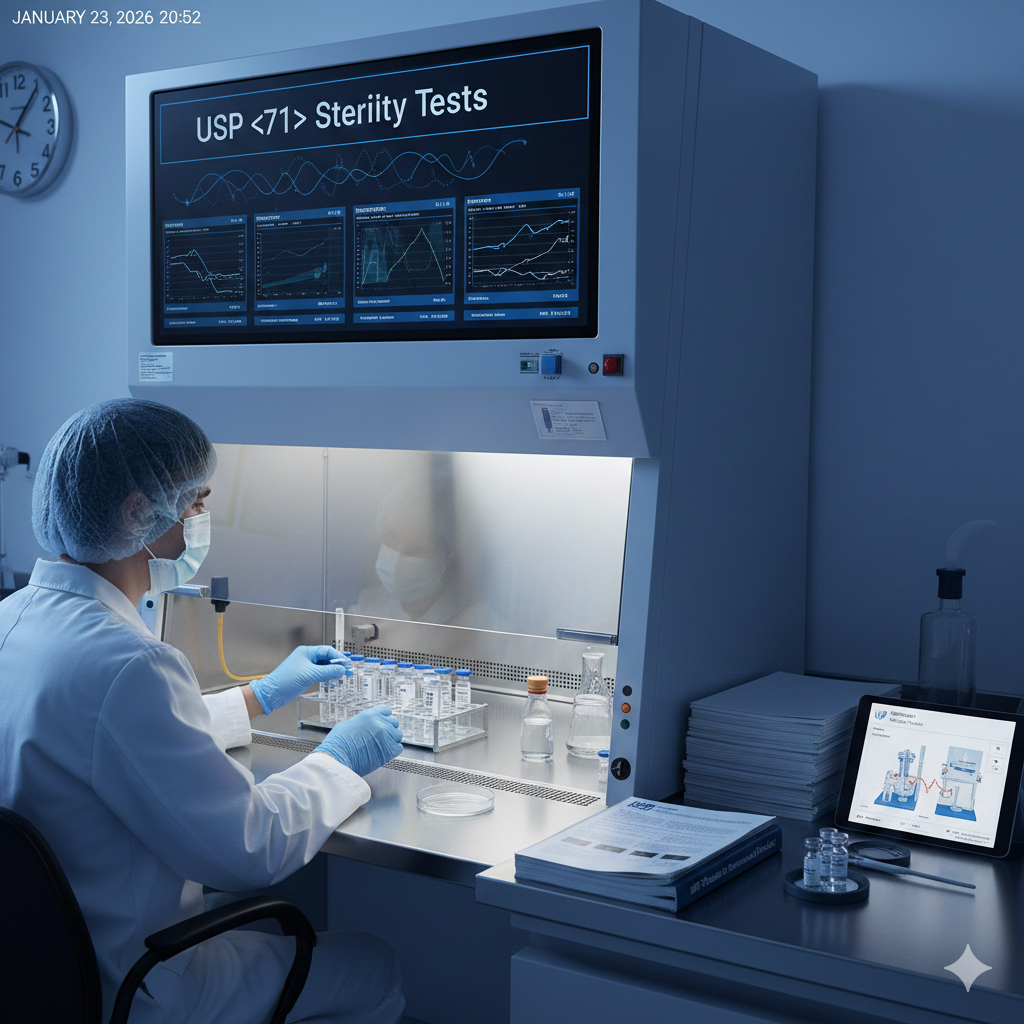
Testing peptides for bacterial contamination follows strict procedural sequences that minimize external interference. Laboratories conduct sterility tests in controlled environments using aseptic techniques that prevent environmental contamination during sample handling. Technicians transfer peptide samples into culture vessels containing appropriate growth media under laminar flow hoods. These protective workstations create particle-free air streams that shield samples from airborne microorganisms during lot-specific testing procedures.
Sample Size Requirements and Quality Controls
Sample size requirements vary based on peptide container volumes and batch sizes. USP standards specify minimum testing quantities to ensure statistically meaningful results for peptide batch testing. After inoculation, culture vessels enter temperature-controlled incubators where technicians perform daily visual inspections. Any turbidity, color change, or visible growth triggers additional investigation through microscopy and subculturing. Negative controls run alongside test samples verify that growth media remains sterile and capable of supporting microbial reproduction.
Research Grade vs GMP Grade Peptides: Testing Differences
Understanding Peptide Quality Classifications
Research grade peptides and GMP grade peptides undergo different levels of testing rigor and documentation requirements. Research-grade peptides typically meet purity standards between 95-98% and include basic sterility verification suitable for laboratory experiments. GMP grade peptides follow Good Manufacturing Practice guidelines with comprehensive documentation, environmental monitoring, and enhanced quality controls. Understanding these distinctions helps researchers select appropriate products for their specific applications.
When Each Grade Matters for Your Work
GMP grade peptides become essential when research moves toward clinical applications or regulatory submissions requiring extensive quality documentation. Research grade peptides suffice for early-stage discovery work, in vitro studies, and preliminary experiments where cost considerations matter. Third-party peptide testing labs can verify either grade, though GMP testing requires more extensive validation procedures. The choice between grades affects both pricing and the level of independent peptide verification provided.
What to Look for in Peptides When Evaluating Quality
Purity Levels and Composition Analysis
Quality peptides demonstrate multiple characteristics beyond simple sterility compliance. Purity levels indicate the percentage of actual target peptide versus manufacturing byproducts and impurities. High-performance liquid chromatography analysis reveals these composition details with precision. Understanding peptide content vs purity helps researchers evaluate whether products meet experimental requirements. Peptide net content specifications should appear clearly on product documentation.
Identity Confirmation and Endotoxin Testing
Peptide sequence verification through mass spectrometry ensures the peptide matches its intended structure. Manufacturing errors sometimes produce compounds with incorrect amino acid sequences or modifications. Peptide identity confirmation prevents costly experimental errors from using wrong compounds. Endotoxin testing measures bacterial toxin residues that survive sterilization processes. These heat-stable molecules can trigger inflammatory responses even when viable bacteria no longer exist in samples.
How to Read a Peptide Certificate of Analysis
Essential Components of a Peptide COA
Learning how to read peptide COA documents empowers researchers to make informed purchasing decisions. Every certificate of analysis peptides should include batch number, manufacturing date, expiration date, and storage conditions. Analytical results must specify testing methods used, acceptance criteria, and actual measured values. Reputable suppliers provide COAs signed by quality control personnel with clear contact information for questions.
Interpreting Test Results and Specifications
Understanding peptide COA data requires familiarity with analytical techniques and acceptance ranges. Purity percentages from HPLC analysis should meet or exceed stated specifications, typically 95% minimum for research applications. Mass spectrometry results confirm molecular weight matches theoretical calculations within acceptable margins. Sterility test results should clearly state "pass" with testing dates and methods referenced. Endotoxin levels must remain below specified limits, usually less than 1.0 EU/mg for injectable applications.
USP <71> Sterility Tests: The Gold Standard
Direct Inoculation and Membrane Filtration Methods
USP Chapter <71> establishes the pharmaceutical industry's recognized sterility testing framework through detailed methodology descriptions. This compendial chapter underwent multiple revisions to incorporate scientific advances while maintaining testing reliability. The direct inoculation method involves adding peptide samples directly into culture media, making it suitable for small-volume products. Membrane filtration offers an alternative approach for larger volumes where peptides undergo filtering before membranes transfer to growth media.
Method Validation and Suitability Testing
Validation studies must demonstrate that peptides themselves do not inhibit microbial growth within test systems. Some peptides exhibit antimicrobial properties that could generate false negative results during sterility testing. Laboratories address this concern through neutralization studies and method suitability testing. These preliminary validations confirm that testing procedures can detect low-level contamination in specific peptide formulations. Only validated methods produce trustworthy sterility assessments that meet regulatory expectations for where to buy tested peptides.
How to Check Peptide Purity Alongside Sterility
HPLC Analysis for Impurity Detection
Checking peptide purity requires analytical techniques distinct from sterility testing yet equally important for quality verification. High-performance liquid chromatography separates peptide molecules from impurities based on chemical properties. The resulting chromatogram displays peaks representing different compounds within samples. The target peptide should produce the largest peak while impurity peaks remain minimal. This analysis reveals peptide content information critical for experimental planning.
Mass Spectrometry and Amino Acid Analysis
Mass spectrometry provides molecular weight confirmation by measuring the mass-to-charge ratio of ionized peptides. This technology identifies whether synthesis produced the correct amino acid sequence and molecular structure through peptide sequence verification. Combined HPLC-MS analysis offers the most comprehensive purity assessment available. Amino acid analysis verifies peptide composition through hydrolysis and individual amino acid quantification. These complementary techniques create a complete purity profile that reveals manufacturing quality beyond what sterility testing alone can determine.
Common Contamination Sources in Peptide Manufacturing
Raw Material and Equipment Contamination Risks
Peptide manufacturing involves multiple steps where contamination opportunities arise despite quality control measures. Raw materials including amino acids and coupling reagents may contain microbial contamination from suppliers. Synthesis equipment requires thorough cleaning and sterilization between production runs to prevent cross-contamination during peptide batch testing cycles. Water systems represent particularly vulnerable contamination points because microorganisms thrive in aqueous environments.
Environmental and Personnel-Related Contamination
Environmental factors within manufacturing facilities introduce additional contamination risks. Airborne particles carrying bacteria or fungi can settle on exposed surfaces and materials. Personnel working in production areas may inadvertently transfer microorganisms despite wearing protective equipment. Lyophilization processes that remove water from peptides create opportunities for environmental exposure during loading and unloading operations. Understanding these vulnerability points helps manufacturers implement preventive controls and explains why post-production testing remains essential.
Why Third-Party Testing Protects Your Research
Independent Verification and Objectivity Benefits
Third-party peptide testing labs provide independent verification that eliminates potential conflicts of interest inherent in manufacturer self-testing. Companies naturally face pressure to release products quickly and may unconsciously bias internal testing interpretations. Independent laboratories operate without financial stakes in test outcomes, ensuring objective result reporting. This separation protects researchers from receiving compromised products that could invalidate experimental data. Independent peptide verification creates confidence in product quality.
Accreditation and Legal Protection Advantages
Accredited third-party facilities maintain strict quality systems that undergo regular audits by regulatory bodies. These oversight mechanisms ensure testing procedures follow current good manufacturing practices and USP standards. Independent testing also provides legal protection for researchers and institutions by creating documented evidence of due diligence. When problems arise, third-party certificates demonstrate reasonable precautions were taken to verify product quality before use.
Choosing an ISO 17025 Accredited Peptide Testing Laboratory
Why ISO 17025 Accreditation Matters
Selecting an appropriate peptide testing laboratory requires evaluating several critical factors beyond simple price comparisons. ISO 17025 accredited peptide testing facilities meet internationally recognized quality standards for testing and calibration laboratories. This accreditation demonstrates technical competency through proficiency testing, quality system audits, and measurement traceability. Laboratories with ISO 17025 credentials provide assurance that testing procedures follow scientifically sound protocols with documented validation.
Evaluating Laboratory Capabilities and Service
Turnaround time affects research timelines but should not compromise testing thoroughness. Understanding how long peptide testing takes helps researchers plan project schedules appropriately. Some laboratories offer expedited services that maintain quality while reducing wait periods. Technical expertise matters when testing complex peptide formulations that may require method modifications. Laboratories should clearly communicate their testing capabilities, limitations, and result interpretation. Transparent pricing without hidden fees enables accurate budgeting for quality verification costs.
Final Thoughts on Peptide Sterility Standards
The Non-Negotiable Role of Quality Assurance
Sterility testing represents a non-negotiable component of peptide quality assurance that protects users and preserves research integrity. USP standards provide the framework that ensures consistent testing across the pharmaceutical industry. Understanding how to test peptides, what to look for in peptides, how to know if peptides are contaminated, and how to read peptide COA documents empowers researchers to make informed purchasing decisions. The investment in proper testing prevents far greater costs associated with contaminated products.
Future of Peptide Quality Standards
Quality assurance extends beyond mere regulatory compliance to reflect manufacturer commitment to customer safety. As peptide applications expand across research and therapeutic domains, sterility standards will continue evolving with scientific knowledge. Partnering with reputable testing laboratories and suppliers who prioritize quality creates the foundation for successful peptide-based projects. Knowing where to buy tested peptides from ISO 17025 accredited facilities ensures research starts with reliable materials.
Frequently Asked Questions
How long does peptide sterility testing take?
Peptide sterility testing following USP <71> standards requires a minimum of 14 days for incubation periods. This duration allows slow-growing microorganisms sufficient time to produce detectable growth in culture media. Additional time is needed for sample preparation, inoculation procedures, and result documentation. Most laboratories report complete sterility testing results within 14 to 21 days from sample receipt. Rapid microbiological methods can reduce this timeline to 3-5 days, though these alternative approaches require validation against traditional methods.
Can you test peptides at home for contamination?
Testing peptides at home for contamination is not feasible for consumers because sterility testing requires specialized laboratory equipment and controlled environments. Professional facilities use laminar flow hoods, incubators, sterile culture media, and trained microbiologists to conduct valid tests. Home testing lacks the sterile conditions necessary to prevent false positive results from environmental contamination. Visual inspection at home cannot detect bacterial or fungal contamination that remains invisible without microscopy. Third-party laboratory testing provides the only reliable method for consumers to verify peptide sterility.
What is the difference between research grade and GMP grade peptides?
Research grade peptides meet basic quality standards suitable for laboratory experiments, typically with 95-98% purity and standard sterility testing. GMP grade peptides follow Good Manufacturing Practice guidelines with comprehensive documentation, enhanced quality controls, and stricter environmental monitoring. GMP peptides cost more but provide the extensive documentation required for clinical applications and regulatory submissions. Research grade peptides work well for early discovery work and in vitro studies where cost efficiency matters more than exhaustive documentation.
What should a certificate of analysis include for peptides?
A complete certificate of analysis for peptides should include batch number, manufacturing date, expiration date, storage conditions, and detailed analytical results. Testing data must specify purity percentage from HPLC analysis, molecular weight confirmation from mass spectrometry, sterility test results, and endotoxin levels. The COA should clearly state testing methods used, acceptance criteria, and whether results pass specifications. Reputable suppliers provide COAs signed by quality control personnel with laboratory contact information.
How much does peptide sterility testing cost?
Peptide sterility testing costs vary based on sample quantity, testing complexity, and laboratory pricing structures. Basic USP <71> sterility testing for single samples typically ranges from $200 to $600 per test. Pricing increases for larger batch testing, expedited services, or additional analyses like endotoxin testing. Some laboratories offer package pricing for combined sterility and purity testing that reduces overall costs. Research institutions may negotiate volume discounts for regular testing needs. While testing represents an additional expense, the cost remains minimal compared to potential consequences of using contaminated peptides.
Are sterile peptides the same as pure peptides?
Sterile peptides are not the same as pure peptides because these terms describe different quality attributes. Sterility indicates absence of viable microorganisms including bacteria and fungi. Purity refers to the percentage of target peptide versus impurities like synthesis byproducts, salts, or residual solvents. A peptide can be sterile but contain low purity with significant chemical impurities. Conversely, highly pure peptides may contain microbial contamination. Comprehensive quality verification requires both sterility testing through USP <71> methods and purity analysis through techniques like HPLC. Both parameters matter for safe and effective peptide use.