Table of Contents
-
Understanding the Peptide Testing Landscape
-
What Makes Tirzepatide Different from Semaglutide
-
How to Test Peptides: The Foundation of Quality Assurance
-
Contamination Risks: Why Both Compounds Require Vigilance
-
What to Look for in Peptides When Evaluating Quality
-
Purity Standards: The Critical Difference Between Compounds
-
How to Know If Peptides Are Contaminated
-
Testing Frequency: Which Compound Demands More Oversight
-
How to Check Peptide Purity Using Modern Methods
-
Real-World Testing Challenges With Tirz and Sema
-
The Verdict: Which Actually Needs More Testing
-
Final Thoughts
-
Frequently Asked Questions
Understanding the Peptide Testing Landscape
The peptide industry has experienced explosive growth over the past few years, with tirzepatide (Tirz) and semaglutide (Sema) emerging as two of the most discussed compounds in metabolic health circles. However, this popularity has created a serious challenge: ensuring that what people receive matches what they expect. The question isn't whether these peptides need testing, but rather which one requires more rigorous quality control measures.
Both compounds have become targets for counterfeiters and low-quality manufacturers looking to capitalize on demand. This reality makes understanding peptide testing protocols essential for anyone considering these compounds. The stakes are high because contaminated or impure peptides can lead to serious health consequences.
The Rise of Peptide Quality Concerns
Manufacturing complexity varies significantly between these two compounds, which directly impacts the testing requirements. Tirzepatide's dual-action mechanism involves a more intricate molecular structure compared to semaglutide's single-receptor approach. This structural difference creates distinct challenges when laboratories evaluate samples for authenticity and purity.
What Makes Tirzepatide Different from Semaglutide
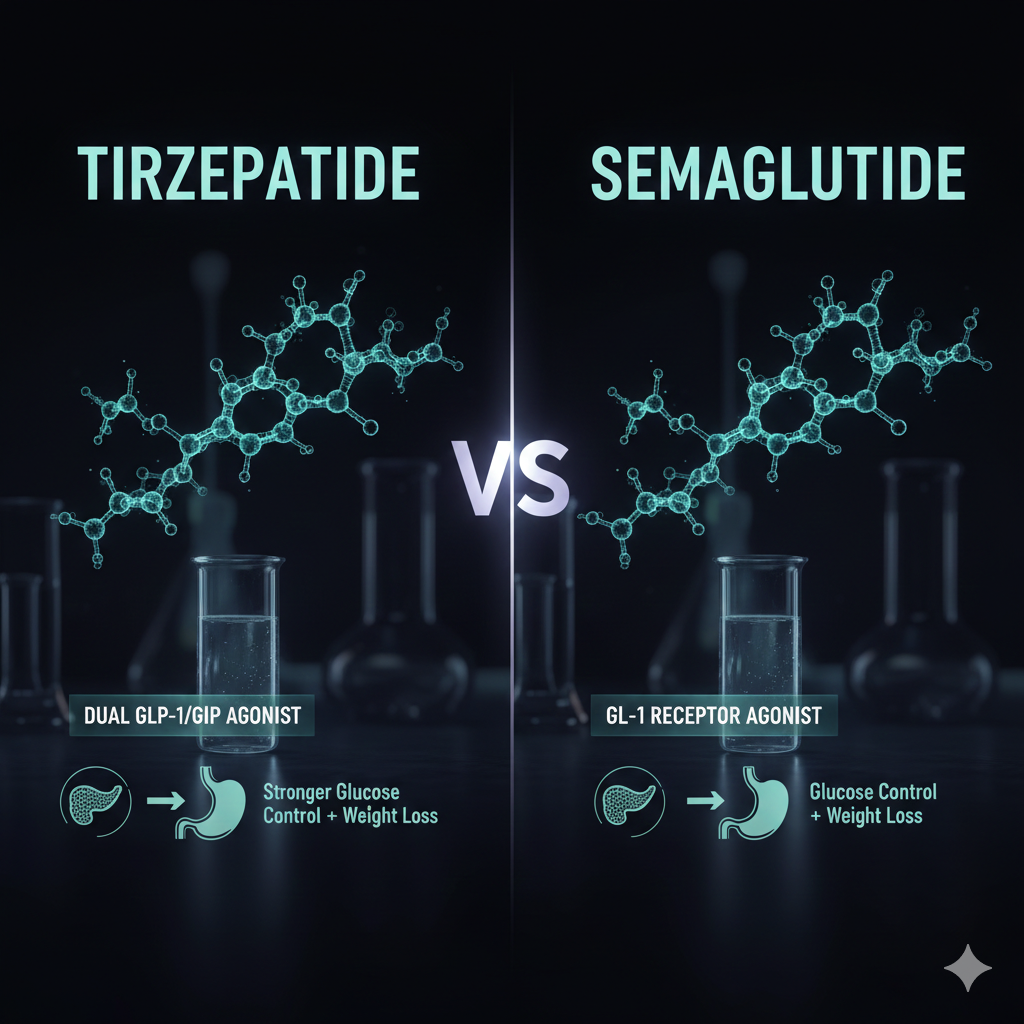
Tirzepatide operates as a dual GIP and GLP-1 receptor agonist, while semaglutide functions solely as a GLP-1 receptor agonist. This fundamental difference in mechanism translates to different manufacturing processes, which subsequently affects how to test peptides effectively. The dual-action nature of tirzepatide means manufacturers must synthesize a more complex molecule with additional binding sites.
From a testing perspective, this complexity introduces more variables that can go wrong during production. Each additional functional group represents another potential point of failure, whether through improper folding, incorrect amino acid sequencing, or degradation during storage. Quality control laboratories must verify not just the presence of the peptide, but also its three-dimensional structure and functional integrity.
Molecular Complexity and Testing Implications
The molecular weight difference between these compounds also matters. Tirzepatide's larger molecular structure means more opportunities for impurities to hide within the synthesis process. When testing facilities analyze samples, they need to account for potential fragments, aggregates, and related substances that might not appear in simpler peptide structures.
How to Test Peptides: The Foundation of Quality Assurance
Understanding how to test peptides begins with recognizing that multiple analytical techniques work together to provide a complete picture. No single test can definitively prove a peptide's quality. Instead, laboratories employ a battery of complementary methods that examine different aspects of the compound.
High-performance liquid chromatography (HPLC) serves as the gold standard for initial peptide analysis. This technique separates the components of a sample based on their chemical properties, allowing technicians to identify the main peptide peak and detect any impurities present. For both tirzepatide and semaglutide, HPLC analysis reveals whether the sample contains the expected compound at the claimed concentration.
Advanced Testing Methodologies
Mass spectrometry takes testing further by providing exact molecular weight measurements. This technique confirms the peptide's identity by matching its mass-to-charge ratio against known standards. When combined with HPLC, this approach creates a powerful tool for detecting even subtle variations in peptide structure that might indicate synthesis problems or degradation.
Nuclear magnetic resonance (NMR) spectroscopy offers another layer of verification, particularly valuable for complex molecules like tirzepatide. NMR can reveal the three-dimensional arrangement of atoms within the peptide, ensuring that the compound has folded correctly and maintains its biological activity.
Contamination Risks: Why Both Compounds Require Vigilance
Contamination represents one of the most serious risks in peptide manufacturing. Understanding how to know if peptides are contaminated requires awareness of the different types of impurities that can appear. Bacterial endotoxins, residual solvents, heavy metals, and peptide-related substances all pose distinct threats to user safety. Comprehensive peptide endotoxin testing and residual solvents peptides analysis must be part of every quality control program.
Tirzepatide's more complex synthesis pathway creates additional opportunities for contamination. Each step in the manufacturing process introduces potential contaminants, from the raw materials used to build the peptide chain to the solvents employed during purification. The longer and more complex the synthesis, the greater the contamination risk becomes. Residual solvents peptides represent a particularly common issue when manufacturers rush purification processes.
Endotoxin and Sterility Testing Requirements
Both compounds require rigorous peptide endotoxin testing, but tirzepatide's complexity means manufacturers must be especially careful about bacterial contamination during production. Endotoxins can trigger severe immune responses even at extremely low concentrations. The LAL (Limulus Amebocyte Lysate) test detects these dangerous contaminants, and any detectable level should raise immediate red flags about manufacturing quality.
Sterility testing peptides ensures no viable bacteria or fungi survive in the final product. Semaglutide, while simpler to produce, still faces contamination risks from improper handling or storage. Heavy metal testing peptides detects toxic elements like lead, arsenic, and mercury that can leach from equipment or raw materials. Cross-contamination between batches represents another concern, particularly in facilities that manufacture multiple peptides.
What to Look for in Peptides When Evaluating Quality
Knowing what to look for in peptides goes beyond just checking the label. Several key indicators separate legitimate, high-quality compounds from questionable products. Third-party peptide testing provides the most reliable verification, as independent laboratories have no financial incentive to falsify results. Relying solely on supplier claims without independent verification creates unnecessary risk.
The certificate of analysis peptides should always come from accredited testing facilities. A legitimate peptide COA serves as the primary document that reveals a compound's true nature, but understanding how to interpret this document requires some knowledge. Any supplier unwilling to provide batch-specific COAs from third-party labs should raise immediate red flags.
Decoding Your Peptide Certificate of Analysis
A comprehensive certificate of analysis peptides should include multiple test results. HPLC peptide purity measurements appear as percentages, typically 95 percent or higher for quality compounds. Mass spectrometry peptide testing confirms the exact molecular weight, ensuring you received the correct compound. Amino acid analysis peptides provides definitive composition verification, though not all COAs include this expensive test.
For therapeutic peptides like tirzepatide and semaglutide, purity should generally exceed 98 percent. Anything below this threshold suggests either poor manufacturing practices or peptide degradation during storage. The peptide COA should also list specific impurities detected and their concentrations, including any peptide-related substances or chemical contaminants.
Physical Appearance and Storage Requirements
Visual inspection provides preliminary clues about peptide quality, though it cannot replace laboratory testing. Both tirzepatide and semaglutide should appear as white or off-white powders when lyophilized (freeze-dried). Any discoloration, clumping, or unusual odor indicates potential problems with peptide storage temperature control or contamination.
Understanding how to store peptides properly prevents degradation between testing and use. Lyophilized peptide storage requires temperatures at or below -20°C for long-term stability. Peptide storage temperature directly affects shelf life, with room temperature exposure causing rapid degradation. Once reconstituted, peptide shelf life decreases dramatically, requiring refrigeration and use within weeks rather than months.
The packaging itself matters too. Legitimate manufacturers use amber glass vials with proper seals to protect peptides from light and moisture. Tirzepatide particularly requires careful protection from environmental factors that can trigger peptide degradation. Poor packaging choices suggest a manufacturer that cuts corners, which likely extends to their peptide batch testing protocols as well.
Purity Standards: The Critical Difference Between Compounds
Understanding how to check peptide purity involves more than just reading a number on a COA. Purity measurements can be misleading if you don't understand what they actually measure. HPLC purity, for instance, only accounts for peptide-related impurities and doesn't detect non-peptide contaminants like salts or residual solvents.
Tirzepatide's structural complexity means that achieving high purity levels requires more sophisticated purification techniques. The presence of the dual receptor-binding domains creates a molecule that's harder to separate from closely-related impurities during manufacturing. This inherent challenge means tirzepatide samples face greater scrutiny during the purification process.
Different Types of Impurities
Peptide scientists distinguish between several categories of impurities. Truncated sequences occur when the synthesis doesn't complete properly, resulting in shorter peptide chains. Deletion sequences lack one or more amino acids. Insertion sequences contain extra amino acids. Each type affects the peptide's biological activity differently, and testing must detect all variants.
Semaglutide's simpler structure makes these synthesis-related impurities somewhat easier to control and detect. However, both compounds can suffer from oxidation, deamidation, and other chemical modifications that occur over time. These degradation products require ongoing monitoring, especially as peptides age or experience temperature fluctuations.
How to Know If Peptides Are Contaminated
Recognizing contamination isn't always straightforward because different contaminants require different detection methods. Learning how to know if peptides are contaminated starts with understanding that legitimate testing looks for specific threats. Bacterial contamination shows up through sterility testing and endotoxin assays. Chemical contamination appears through residual solvent analysis and heavy metal testing.
For tirzepatide, the extended synthesis process means more opportunities for chemical contaminants to enter the final product. Acetonitrile, trifluoroacetic acid, and other harsh chemicals used during peptide synthesis must be completely removed before the product reaches users. Gas chromatography detects these volatile compounds, and any detectable levels suggest inadequate purification.
Signs of Biological Contamination
Microbiological contamination represents an immediate health hazard. Both tirzepatide and semaglutide should be sterile when properly manufactured. Testing for sterility involves incubating samples in growth media to detect any bacterial or fungal contamination. This process takes time, which is why rapid release of products without proper testing periods should raise concerns.
Mycotoxins and other biological toxins can also contaminate peptides if raw materials aren't properly sourced. These contaminants are particularly insidious because they don't change the peptide's appearance or basic chemical properties. Only specialized testing can detect their presence, making third-party verification essential for both compounds.
Testing Frequency: Which Compound Demands More Oversight
The question of testing frequency separates casual manufacturers from serious ones. Every batch of peptides should undergo complete testing before release, but the reality is that some manufacturers test only sporadically or rely on outdated results. Tirzepatide's complexity and higher market value make it a more frequent target for counterfeiters, which increases the need for batch-to-batch testing.
Stability testing represents another crucial aspect often overlooked in peptide quality control. Both compounds degrade over time, but they do so at different rates and through different mechanisms. Tirzepatide's dual-receptor structure makes it potentially more susceptible to certain types of degradation, requiring more frequent stability studies to establish proper expiration dates.
Ongoing Quality Monitoring
Responsible manufacturers implement ongoing stability programs where they periodically test stored samples to verify that products remain within specifications throughout their shelf life. This practice becomes even more critical for tirzepatide given its structural complexity. Degradation products that appear over time can compromise both safety and efficacy.
How to Check Peptide Purity Using Modern Methods
Modern analytical chemistry provides multiple approaches for those wondering how to check peptide purity accurately. The most reliable method combines orthogonal techniques that examine different molecular properties. HPLC peptide purity analysis provides the primary measurement, while mass spectrometry peptide testing confirms identity and detects structural variants.
Capillary electrophoresis offers another powerful tool for peptide analysis. This technique separates molecules based on their charge-to-size ratio, providing complementary information to HPLC. For tirzepatide, which carries multiple charged groups due to its amino acid composition, capillary electrophoresis can reveal impurities that might co-elute with the main peak during HPLC analysis.
Amino Acid Analysis Verification
Amino acid analysis peptides serves as the definitive method for confirming peptide composition. This destructive technique breaks down the peptide into its component amino acids and measures each one individually. The results must match the theoretical composition within tight tolerances. Any deviation suggests either synthesis errors or the presence of a completely different compound.
For semaglutide and tirzepatide, amino acid analysis peptides provides absolute confirmation of identity. However, this method requires destroying the sample and takes considerable time, making it impractical for routine peptide batch testing. Most laboratories reserve amino acid analysis for reference standards or investigation of suspect samples.
Real-World Testing Challenges With Tirz and Sema
Testing peptides in real-world conditions presents challenges that don't appear in theoretical discussions. Sample handling, storage conditions, and testing turnaround times all affect results. Tirzepatide's sensitivity to temperature fluctuations means samples can degrade between manufacturing and testing if not properly maintained.
Chain-of-custody issues plague the peptide industry. Without proper documentation tracking each sample from production through testing, results become questionable. Unscrupulous suppliers can potentially substitute high-quality samples for testing while shipping inferior products to customers. This risk applies to both compounds but becomes more concerning with tirzepatide due to its higher value.
Cost Versus Thoroughness
Comprehensive testing is expensive, and this creates pressure to cut corners. A full analytical panel including HPLC, mass spectrometry, endotoxin testing, sterility testing, and residual solvent analysis can cost thousands of dollars per batch. Some manufacturers respond by testing less frequently or using less rigorous methods.
Semaglutide's longer market presence has led to more standardized testing protocols and reference materials. Tirzepatide, being newer, still faces some uncertainty about optimal testing approaches. This evolving landscape means tirzepatide samples might require more extensive testing simply to establish baseline quality parameters.
The Verdict: Which Actually Needs More Testing
After examining the manufacturing complexity, contamination risks, and analytical challenges, tirzepatide emerges as the compound requiring more rigorous testing protocols. Its dual-receptor mechanism, larger molecular structure, and more complex synthesis create additional variables that demand verification. Every aspect of tirzepatide production, from raw material sourcing through final purification, introduces potential quality issues that testing must address.
This doesn't mean semaglutide escapes with minimal testing requirements. Both compounds deserve comprehensive analytical evaluation before anyone should consider using them. However, tirzepatide's structural complexity and newer market status create heightened risks that only thorough testing can mitigate. The additional functional groups, binding sites, and synthesis steps each represent potential failure points.
The Cost of Inadequate Testing
Choosing inadequately tested peptides carries serious consequences. Beyond immediate safety concerns from contamination, impure or degraded peptides simply won't work as intended. Users might experience reduced efficacy, unexpected side effects, or complete therapeutic failure. These outcomes waste money and potentially compromise health goals.
Final Thoughts
The peptide testing landscape continues evolving as analytical techniques improve and regulatory scrutiny increases. Both tirzepatide and semaglutide deserve rigorous quality control, but tirzepatide's complexity elevates its testing requirements. Understanding how to test peptides, what to look for in peptides, how to know if peptides are contaminated, and how to check peptide purity empowers consumers to make informed decisions.
At Optima Labs, we recognize that comprehensive testing isn't optional—it's the foundation of peptide safety and efficacy. The investment in proper analytical techniques protects users and supports the legitimate peptide industry. As these compounds grow in popularity, the importance of third-party testing by qualified laboratories becomes even more critical. Whether choosing tirzepatide or semaglutide, never compromise on testing standards.
Frequently Asked Questions
How do you test the purity of peptides?
Peptide purity testing primarily relies on high-performance liquid chromatography (HPLC), which separates the components of a sample and measures the percentage of the target peptide versus impurities. Mass spectrometry confirms the molecular weight and identity, while additional tests like amino acid analysis verify the exact composition. A comprehensive purity assessment combines multiple analytical techniques to detect different types of impurities, including truncated sequences, chemical modifications, and degradation products. Reputable laboratories report purity as a percentage, with therapeutic peptides typically requiring at least 98 percent purity for safe use.
What should I look for when buying peptides?
When purchasing peptides, always request a current certificate of analysis (COA) from an independent, third-party laboratory. The COA should include HPLC purity results, mass spectrometry confirmation, endotoxin testing, and sterility verification. Look for products stored in proper amber glass vials with intact seals, and verify that the supplier can provide batch-specific testing documentation rather than generic certificates. The peptide should appear as a white or off-white powder without discoloration, clumping, or unusual odors. Suspiciously low prices often indicate compromised quality or inadequate testing.
How can you tell if a peptide is contaminated?
Contamination detection requires laboratory testing rather than visual inspection alone. Endotoxin testing using the LAL assay detects bacterial contamination, while sterility testing identifies microbiological growth. Gas chromatography reveals residual solvents from manufacturing, and inductively coupled plasma mass spectrometry (ICP-MS) detects heavy metal contamination. Physical signs like unusual colors, odors, or textures suggest problems, but many contaminants are invisible without proper analytical testing. Any reputable peptide should come with documentation proving it passed comprehensive contamination screening before sale.
What is the acceptable purity level for peptides?
For research and therapeutic applications, peptide purity should typically exceed 95 percent, with many applications requiring 98 percent or higher. The acceptable purity depends on the intended use, with higher standards applying to compounds meant for human use. Purity measurements refer specifically to the percentage of the target peptide versus peptide-related impurities, not total impurities including salts and solvents. A complete quality assessment examines both HPLC purity and the absolute amount of non-peptide materials present. Products below 95 percent purity generally indicate poor manufacturing practices or significant degradation.
How long do peptides stay stable?
Peptide stability varies significantly based on the specific compound, storage conditions, and formulation. Lyophilized (freeze-dried) peptides stored at -20°C or colder typically remain stable for one to two years, though some compounds degrade faster. Once reconstituted with sterile water or bacteriostatic water, most peptides remain stable for only weeks to months when refrigerated. Tirzepatide and semaglutide both require refrigeration after reconstitution and should be protected from light and temperature fluctuations. Legitimate manufacturers provide stability data and expiration dates based on actual testing rather than arbitrary timeframes.
Do all peptide suppliers test their products?
Unfortunately, not all peptide suppliers conduct thorough testing, and some rely on outdated or fraudulent certificates of analysis. Reputable suppliers test every batch with comprehensive analytical panels and provide batch-specific documentation upon request. Some questionable suppliers use generic COAs that don't match the actual product shipped, or they test only sporadically rather than with each production run. The lack of standardized regulations in the peptide industry means buyers must verify testing claims independently. Third-party testing through facilities like Optima Labs provides objective verification of peptide quality regardless of supplier claims.