Table of Contents
-
Understanding Peptide Testing and Why It Matters
-
Why Accurate Peptide Testing is Critical for Research
-
The Most Accurate Methods to Test Peptides
-
High-Performance Liquid Chromatography for Peptide Purity
-
Mass Spectrometry and How to Verify Peptide Identity
-
How to Know if Peptides Are Contaminated
-
What to Look for in Peptides When Reviewing Test Results
-
How to Check Peptide Purity Using Laboratory Reports
-
The Role of Third-Party Testing in Peptide Verification
-
Common Red Flags That Indicate Poor Quality Peptides
-
Choosing a Reliable Peptide Testing Laboratory
-
Best Practices for How to Test Peptides in Research Settings
-
Final Thoughts on Peptide Testing Accuracy
Understanding Peptide Testing and Why It Matters
The Foundation of Reliable Peptide Research
The question of how to test peptides accurately has become increasingly important as research applications expand across pharmaceutical development, biochemical studies, and therapeutic innovations. Peptides are short chains of amino acids that serve critical functions in biological systems, making their purity and authenticity essential for valid research outcomes. When researchers ask what the most accurate way to test peptides is, they're seeking methods that can reliably confirm molecular identity, assess purity levels, and detect potential contamination including peptide synthesis impurities and peptide degradation products that could compromise experimental results.
Multiple Testing Approaches for Complete Quality Assessment
Testing peptides involves multiple analytical techniques that examine different aspects of molecular composition and quality. The complexity of peptide structures means that no single test can provide complete verification. Instead, comprehensive testing combines several complementary methods to build a complete picture of peptide quality. Understanding these testing approaches helps researchers make informed decisions about which peptides to use in their work and how to interpret the certificate of analysis peptides documentation that accompanies commercial peptide products.
Why Accurate Peptide Testing is Critical for Research
Protecting Research Integrity and Validity
The integrity of scientific research depends fundamentally on the quality of materials used in experiments. When peptides contain impurities, degradation products, or incorrect sequences, they can produce misleading results that waste time and resources while potentially leading to false conclusions. Accurate peptide testing protects the validity of research by ensuring that the molecular tools used in experiments match their intended specifications and contain minimal contaminants that could interfere with biological assays. Understanding the difference between research grade peptides and pharmaceutical grade peptides helps set appropriate quality expectations for different applications.
Safety and Consistency in Research Applications
Beyond research accuracy, safety considerations make peptide testing essential. Contaminated or misidentified peptides can pose risks in therapeutic applications or cellular studies. Researchers need confidence that what they're working with matches the certificate of analysis provided by suppliers. This verification becomes particularly crucial when scaling up from preliminary studies to more extensive research programs where consistency across batches directly impacts reproducibility and regulatory compliance. Peptide authenticity verification protects against counterfeit peptides that increasingly appear in the market.
The Most Accurate Methods to Test Peptides
HPLC-MS: The Gold Standard Combination
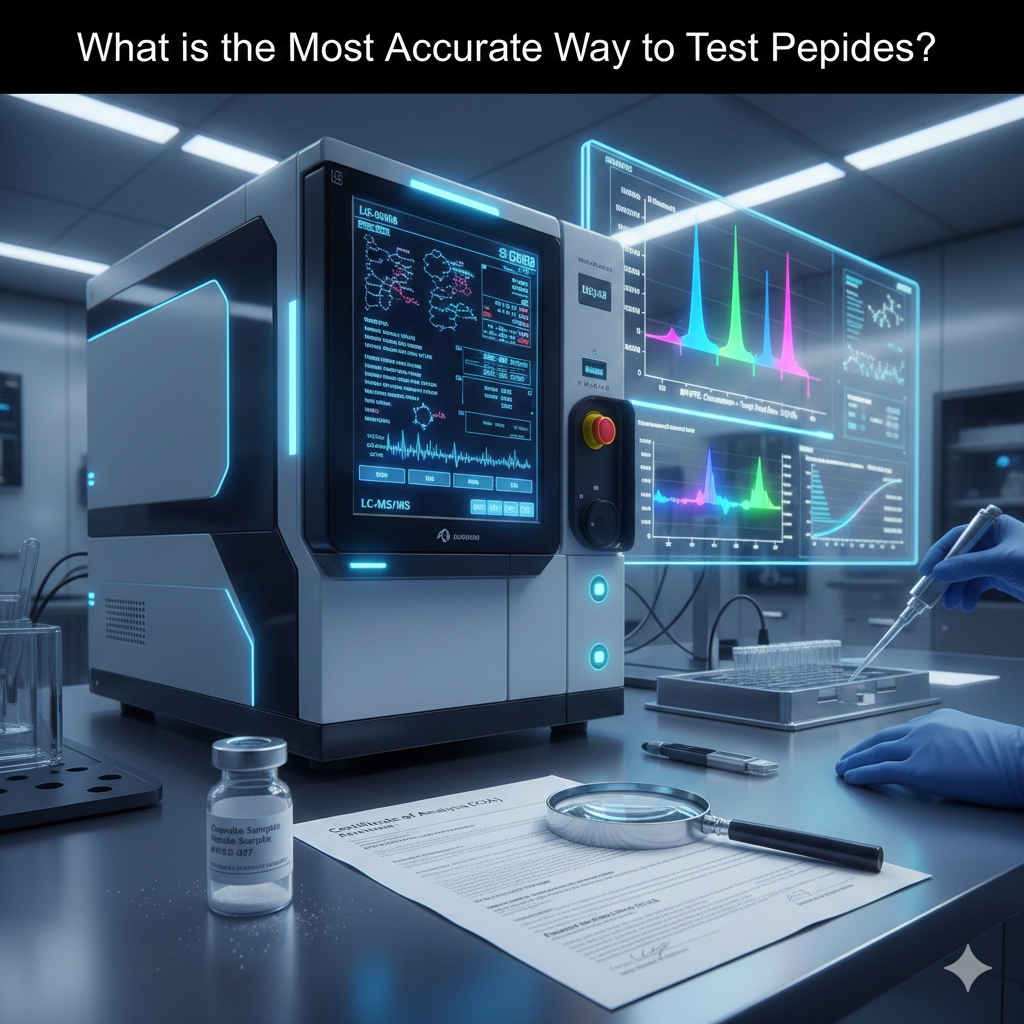
The most accurate way to test peptides combines High-Performance Liquid Chromatography with Mass Spectrometry, commonly referred to as HPLC-MS. This combination provides both quantitative purity assessment and qualitative molecular identification. HPLC separates peptide components based on their chemical properties, revealing the percentage of target peptide versus impurities. Mass spectrometry then confirms the molecular weight and structure, ensuring the peptide sequence matches specifications. Additional methods like amino acid analysis peptides testing can provide complementary sequence verification.
Synergistic Analysis for Complete Quality Assessment
These methods work synergistically because they address different aspects of peptide quality. While HPLC excels at measuring purity percentages and detecting closely related impurities, mass spectrometry provides definitive molecular identification that confirms you have the correct peptide. Together, they answer the critical questions researchers need answered before investing time and resources into experiments using specific peptide batches.
High-Performance Liquid Chromatography for Peptide Purity
How HPLC Technology Works for Peptide Analysis
HPLC stands as the gold standard for determining peptide purity because it physically separates different molecular species in a sample and quantifies each component. The technique works by pumping a peptide solution through a specialized column packed with microscopic particles. Different molecules interact with these particles differently, causing them to emerge from the column at distinct times. Detectors measure the amount of material exiting at each time point, creating a chromatogram that shows peaks representing different components.
Interpreting HPLC Results for Purity Assessment
When examining how to check peptide purity through HPLC results, the main peptide typically appears as the largest peak in the chromatogram. The area under this peak relative to all other peaks indicates purity percentage. High-quality peptides generally show purity above ninety-five percent, meaning the target peptide comprises at least ninety-five percent of the total material. Smaller peaks represent common peptide synthesis impurities such as deletion sequences, truncated peptides, incomplete deprotection products, or synthesis byproducts that commonly appear during peptide manufacturing processes.
Mass Spectrometry and How to Verify Peptide Identity
Molecular Fingerprinting Through Mass Analysis
Mass spectrometry provides molecular fingerprinting that definitively identifies peptide structures. This technique ionizes peptide molecules and measures their mass-to-charge ratio with extreme precision. Each peptide has a characteristic molecular weight based on its amino acid sequence, and mass spectrometry can detect differences as small as one atomic mass unit. This sensitivity makes it ideal for confirming that a peptide contains the correct sequence without substitutions, deletions, or unexpected modifications.
Reading and Interpreting Mass Spectrometry Data
Understanding how to verify peptide identity using mass spectrometry reports requires knowing what to look for in the data. The observed molecular weight should match the calculated theoretical weight for the intended sequence within acceptable tolerance limits. Discrepancies might indicate sequence errors, unwanted modifications, or the presence of peptide degradation products such as oxidation, deamidation, or beta-elimination. Advanced mass spectrometry techniques can also fragment peptides and analyze the resulting pieces, providing sequence confirmation at the individual amino acid level for maximum verification confidence.
How to Know if Peptides Are Contaminated
Common Types of Peptide Contamination
Detecting contamination requires looking beyond the main peptide peak to identify unwanted substances that might affect experimental outcomes. Common contaminants include residual solvents in peptides like trifluoroacetic acid and acetonitrile from synthesis, salts from purification buffers, bacterial endotoxins, and heavy metals. These impurities don't always appear in standard HPLC chromatograms because they may not absorb light at the wavelengths typically monitored or may co-elute with the peptide of interest.
Specialized Testing for Contamination Detection
Comprehensive contamination screening uses specialized tests designed to detect specific impurity types. Endotoxin testing peptides through bacterial lysate assays that react to even trace amounts of bacterial contamination is critical for cell culture applications. Elemental analysis through inductively coupled plasma mass spectrometry identifies heavy metals. Ion chromatography detects inorganic salts and small organic acids. When researchers ask how to know if peptides are contaminated, the answer involves requesting these supplementary tests beyond basic purity assessment, particularly for peptides intended for cell culture or in vivo applications where contaminants can trigger unwanted biological responses.
What to Look for in Peptides When Reviewing Test Results
Key Quality Indicators in Analytical Data
Evaluating peptide quality requires understanding multiple data points that together paint a complete picture. Start by examining the HPLC purity percentage, which should typically exceed ninety-five percent for research-grade peptides. Next, verify that the mass spectrometry data shows the expected molecular weight within acceptable limits. Check that the peptide appearance matches expectations for lyophilized powder, noting any discoloration or unusual texture that might indicate degradation or contamination.
Beyond Basic Purity Metrics
Additional factors to assess include the net peptide content per vial, which indicates how much actual peptide you're receiving versus fillers, counterions, or residual salts that affect accurate dosing calculations. Peptide storage stability recommendations reveal characteristics about the compound, with some peptides requiring frozen storage while others remain stable at room temperature. Understanding what to look for in peptides extends to evaluating the testing laboratory's credentials, accreditation status, and the age of the analytical data provided with your peptide batch.
How to Check Peptide Purity Using Laboratory Reports
Decoding HPLC Chromatograms
Laboratory certificates of analysis contain crucial information that requires interpretation to fully understand peptide quality. Every peptide COA should include an HPLC chromatogram that shows time on the horizontal axis and detector response on the vertical axis. The main peptide peak should be sharp and well-separated from other peaks, indicating good purity and minimal closely-related impurities. Calculate purity by dividing the area of the main peak by the total area of all peaks, though reputable laboratories provide this calculation in their reports.
Understanding Analytical Method Specifications
When learning how to check peptide purity, pay attention to the analytical method description. Different HPLC conditions can affect the separation of impurities from the main peptide, so understanding whether the laboratory used gradient elution, isocratic conditions, or specific column types helps assess the rigor of the analysis. Some peptides may show different purity values depending on the analytical method, making it important to use consistent testing approaches when comparing batches or suppliers.
The Role of Third-Party Testing in Peptide Verification
Benefits of Independent Quality Verification
Third party peptide testing provides independent verification that removes potential conflicts of interest inherent when suppliers test their own products. Independent laboratories have no financial incentive to overlook quality issues and often employ more rigorous analytical methods than standard in-house testing. This objective assessment becomes particularly valuable when researchers need to validate peptide quality before committing to large-scale studies or when troubleshooting unexpected experimental results that might stem from peptide quality issues. The difference between third party testing and supplier-provided certificates helps ensure unbiased quality confirmation.
Selecting the Right Third-Party Testing Service
Selecting a third-party testing service requires evaluating their analytical capabilities, turnaround times, and experience with peptide analysis specifically. Not all analytical laboratories possess the specialized equipment and expertise needed for comprehensive peptide characterization. Look for facilities that routinely perform peptide analysis, maintain current equipment calibration, and participate in proficiency testing programs that verify their analytical accuracy against known standards.
Common Red Flags That Indicate Poor Quality Peptides
Warning Signs in Supplier Documentation
Certain warning signs suggest peptide quality problems that warrant closer investigation. Unusually low prices compared to market averages often indicate corners cut during synthesis or purification. Suppliers who cannot or will not provide detailed analytical data raise concerns about transparency and quality control. Certificates of analysis that lack proper identification information, including batch numbers, test dates, and specific analytical conditions, may not represent actual testing of your specific peptide batch. The growing concern about counterfeit peptides and fake peptide identification makes verification through third-party testing increasingly important.
Physical Inspection and Packaging Concerns
Physical inspection reveals additional red flags before conducting formal testing. Peptides that appear discolored, clumped, or have unusual odors may have degraded or become contaminated during storage. Packaging that arrives damaged or unsealed compromises peptide integrity through moisture exposure or potential contamination. Being aware of these red flags helps researchers identify problematic peptides before investing time in experiments that may yield unreliable results due to poor starting materials.
Choosing a Reliable Peptide Testing Laboratory
Essential Credentials and Experience
Finding a trustworthy testing laboratory involves evaluating several key factors that indicate analytical competence and reliability. Accreditation by recognized standards organizations such as ISO 17025 peptide testing certification demonstrates that the laboratory maintains quality management systems and undergoes regular external audits. Experience specifically with peptide analysis matters because these molecules present unique challenges compared to small molecules or proteins, requiring specialized knowledge to interpret results correctly.
Communication and Service Quality
Communication capabilities separate excellent testing laboratories from adequate ones. The best facilities provide detailed explanations of analytical methods, help interpret complex results, and offer guidance on which tests best suit specific research needs. They maintain clear chain-of-custody documentation, deliver results in standardized formats, and stand behind their data with technical support. Building relationships with reliable testing laboratories creates partnerships that support research quality over the long term rather than treating each analysis as an isolated transaction.
Best Practices for How to Test Peptides in Research Settings
Establishing Clear Testing Protocols
Implementing robust testing protocols starts with establishing clear acceptance criteria before ordering peptides. Define minimum purity requirements, acceptable molecular weight tolerances, and any specific contamination limits relevant to your research applications. Request comprehensive testing data with every peptide batch rather than accepting pooled data from multiple batches, which may not accurately represent your specific material.
Proper Handling and Storage Procedures
Proper sample handling preserves peptide integrity between receipt and use. Store peptides according to supplier recommendations, typically frozen with desiccant protection. Reconstitute only the amount needed for immediate use rather than making large stock solutions that may degrade over time. When questions arise about peptide performance, retain a portion of the original material for potential retesting. These practices ensure that the peptides you carefully validated maintain their quality throughout your research timeline.
Final Thoughts on Peptide Testing Accuracy
Building a Foundation for Research Success
Accurate peptide testing forms the foundation of reliable research outcomes. The combination of HPLC for purity assessment and mass spectrometry for identity confirmation provides the most comprehensive verification of peptide quality available to researchers. Understanding how to interpret analytical data, recognize potential contamination, and select reputable testing services empowers researchers to make informed decisions about the peptides they use in their work.
Long-Term Value of Quality Verification
Investing time and resources in proper peptide verification ultimately saves both by preventing the greater costs associated with flawed experiments based on poor-quality materials. As peptide applications continue expanding across research disciplines, maintaining rigorous quality standards through accurate testing becomes increasingly important for advancing scientific knowledge and ensuring research reproducibility across laboratories and studies.
Frequently Asked Questions About Peptide Testing
What is the best method to test peptide purity?The best method to test peptide purity is High-Performance Liquid Chromatography (HPLC), which separates the target peptide from impurities and provides a quantitative measurement of purity percentage. HPLC generates a chromatogram showing the main peptide peak alongside any impurity peaks, allowing calculation of purity based on relative peak areas. For research-grade peptides, HPLC purity should typically exceed ninety-five percent to ensure reliable experimental results.
How can you tell if a peptide is pure?You can tell if a peptide is pure by examining its HPLC chromatogram and mass spectrometry data. A pure peptide displays a single dominant peak in the HPLC chromatogram representing over ninety-five percent of total peak area, with minimal smaller peaks indicating impurities. Mass spectrometry confirms the molecular weight matches theoretical calculations within acceptable tolerance. Additionally, pure peptides appear as uniform white or off-white powder without discoloration, clumping, or unusual characteristics.
What does peptide testing measure?Peptide testing measures multiple quality parameters including purity percentage, molecular weight, sequence identity, and contamination levels. HPLC testing quantifies the percentage of target peptide versus synthesis byproducts and related impurities. Mass spectrometry verifies that the molecular weight matches the intended sequence. Additional tests detect specific contaminants like endotoxins, heavy metals, and residual synthesis chemicals. Together, these measurements provide comprehensive characterization of peptide quality and suitability for research applications.
How do you verify peptide identity?You verify peptide identity primarily through mass spectrometry, which measures the exact molecular weight of the peptide. The observed molecular weight should match the calculated theoretical weight for the intended amino acid sequence within specified tolerance limits, typically within a few atomic mass units. Advanced techniques like tandem mass spectrometry can fragment the peptide and analyze the resulting pieces, providing amino acid sequence confirmation that definitively proves the peptide structure matches specifications.
What purity level is acceptable for research peptides?Acceptable purity levels for research peptides typically range from seventy-five to ninety-nine percent depending on the application. For most biological assays and cell culture experiments, peptides with purity above ninety-five percent are recommended to minimize interference from impurities. Therapeutic development or highly sensitive applications may require ninety-eight percent or higher purity. Preliminary screening studies might tolerate seventy-five to eighty-five percent purity, though higher purity always provides more reliable and reproducible results.
How much does peptide testing cost?Peptide testing costs vary based on the analytical methods required and the testing laboratory selected. Basic HPLC purity analysis typically ranges from one hundred to three hundred dollars per sample. Adding mass spectrometry for identity confirmation increases costs to three hundred to six hundred dollars. Comprehensive testing including contamination screening for endotoxins, heavy metals, and residual solvents can cost eight hundred to fifteen hundred dollars per sample. Third-party testing services generally charge premium rates compared to supplier-provided certificates of analysis.
Can you test peptides at home?You cannot accurately test peptides at home because proper analysis requires sophisticated laboratory equipment like HPLC systems and mass spectrometers that cost hundreds of thousands of dollars and require specialized training to operate. While simple solubility tests or pH measurements can be performed outside professional laboratories, these provide minimal quality information and cannot verify purity, identity, or contamination. Reliable peptide testing must be conducted by qualified analytical laboratories using validated methods and calibrated instrumentation.
What should a peptide certificate of analysis include?A proper peptide COA should include HPLC chromatogram data showing purity percentage, mass spectrometry results confirming molecular weight, batch identification numbers, test dates, and analytical method details. Additional information should cover net peptide content, storage recommendations, appearance description, and any contamination testing results such as endotoxin levels or residual solvents. The certificate should identify the testing laboratory, include analyst signatures, and specify the analytical conditions used for each test performed.
How can you identify fake or counterfeit peptides?Identifying counterfeit peptides requires third-party testing verification combined with careful supplier vetting. Red flags include unusually low prices, suppliers unwilling to provide detailed certificates of analysis, missing batch-specific documentation, and physical abnormalities like discoloration or clumping. Request independent laboratory testing through ISO 17025 accredited facilities to verify peptide identity, purity, and authenticity. Legitimate suppliers provide transparent documentation, maintain consistent quality across batches, and welcome third-party verification of their products.